

















Japan’s PM Election and Political Landscape Reshaped by Komeito’s Exit From Ruling Coalition
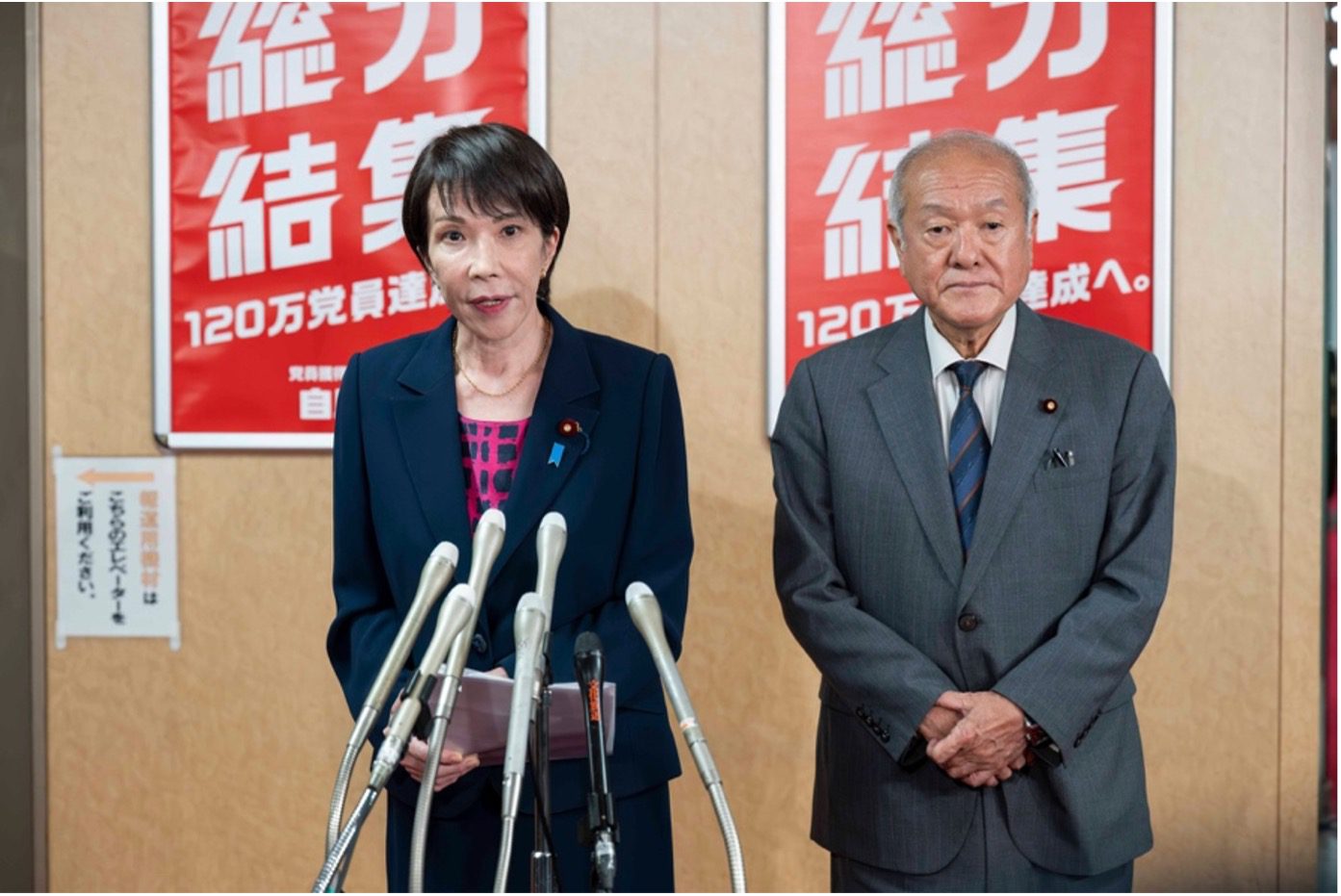
The BGA Japan team, led by Managing Director Kiyoaki Aburaki, wrote an update to clients on the dissolution of the coalition partnership between the Komeito Party and the Liberal Democratic Party (LDP).
Context
- Japan’s Komeito Party announced October 10 its decision to suspend its 26-year coalition partnership with the LDP. The announcement came after a meeting between Komeito leader Tetsuo Saito and newly elected LDP President Sanae Takaichi. Komeito cited as its reason the LDP’s inadequate efforts toward political funds reform, an issue for which the party had long pressed. However, it is unlikely that the long-standing coalition was dissolved solely on this basis. Komeito’s abrupt criticism of the LDP’s efforts and its decision to dissolve the coalition immediately after Takaichi assumed the presidency are therefore somewhat dubious.
- More significantly, Komeito may not vote for Takaichi in the upcoming prime ministerial selection in the Diet. This development has created serious uncertainty regarding who will ultimately be chosen as the next prime minister.
Significance
- The election of Japan’s prime minister is determined by a resolution of the House of Representatives. Until now in the lower house, the LDP’s 196 seats combined with Komeito’s 24 provided a total of 220 seats, ensuring the LDP president’s election as prime minister so long as the opposition failed to field a unified candidate. Now, with Komeito’s position uncertain, a united opposition could — at least theoretically — block the LDP’s nominee and potentially lead to the election of a non-LDP prime minister.
- Three conditions would need to be met to form a non-LDP government:
- Opposition Unity: Parties such as the Constitutional Democratic Party (CDP), Democratic Party for the People (DPP) and Japan Innovation Party (Ishin) would need to act in concert, despite their divergent positions on the constitution, foreign and security policy and nuclear energy.
- Division within the LDP: Defections, abstentions or internal splits within the LDP would lead to a divided vote in the prime ministerial selection. Such division would represent the most significant trigger for a change of government. Conversely, if the LDP remains unified, the likelihood of regime change could be controlled.
- Public Opinion Support: Ordinarily, a unified opposition candidacy is criticized as an opportunistic “marriage of convenience.” For such a coalition to gain legitimacy, public dissatisfaction with both the LDP and the new Takaichi administration would need to grow substantially.
Implications
- The outlook for majority formation in the prime ministerial election remains uncertain. However, two developments have become clear. First, party leader meetings are expected to begin October 15, marking the start of serious negotiations over potential cooperation frameworks. Second, it is now almost certain that the prime ministerial election will be held October 21.
- If the current political uncertainty subsides and Takaichi is elected prime minister, the LDP is expected to work closely with the DPP and other center-right parties to swiftly deliver visible policy achievements. This could, in turn, pave the way for a dissolution of the Diet and a general election in the near future.
We will continue to keep you updated on developments in Japan. If you have any comments or questions, please contact BGA Japan Managing Director Kiyoaki Aburaki at kaburaki@bowergroupasia.com.
Best regards,
BGA Japan Team

×