


















Vietnam Faces Brunt of USTR’s Investigations
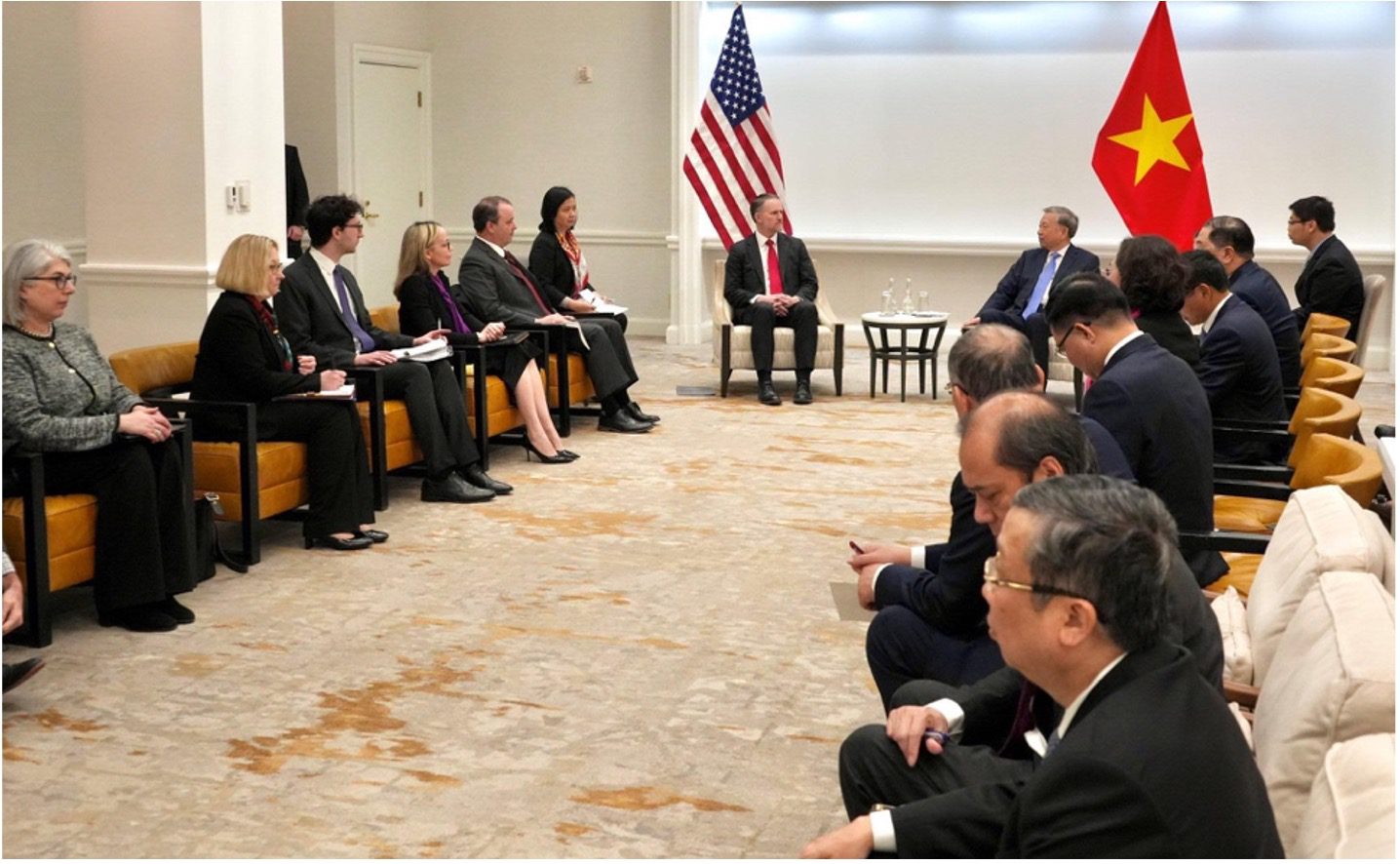
The BGA Global Trade and Economics team, led by Managing Director Nydia Ngiow, prepared an update for clients on the implications of the recently released 2026 Special 301 Report by the U.S. Trade Representative (USTR) on Vietnam.
Context
- USTR released its 2026 Special 301 Report on the adequacy and effectiveness of U.S. trading partners’ protection and enforcement of intellectual property rights April 30. The Report identified Vietnam as a “Priority Foreign Country” (PFC) and placed 25 other countries, including China, India, Indonesia and Thailand, either on the priority watch list or watch list. This comes at a crucial time when Vietnam is still negotiation a bilateral trade agreement with the U.S., which has been paused at times due to the ongoing investigations and general elections.
- USTR will decide within the next thirty days whether to initiate an investigation against Vietnam under Section 301 of the Trade Act of 1974 based on this report. This could potentially be the third Section 301 Investigation against Vietnam this year if USTR indeed decides to initiate one. This is not the first time Vietnam has faced investigations; in 2021-2022, Vietnam successfully avoided trade sanctions under past 301 Investigations by prioritizing high-level diplomacy and reaching a formal bilateral agreement.
Significance
- Vietnam’s designation as a Priority Foreign Country represents a rare and escalatory signal in U.S. trade and intellectual property policy. It is the first PFC listing in 13 years and is reserved for countries deemed to have the most serious intellectual-property shortcomings without evidence of good‑faith negotiation, raising the diplomatic and reputational stakes of the ongoing U.S.-Vietnam trade relationship.
- Vietnam’s economy may face serious consequences if USTR follows up with the initiation of an investigation and subsequent punitive actions. This includes substantial tariff increases and import restrictions. This could result in potential abrupt cancellations of orders by U.S. buyers and possible supply chain relocations out of Vietnam, all of which could negatively impact the Vietnamese economy.
Implication
- Industries with substantial export volumes to the United States, including wood products, textiles and machinery, should expect higher risks and increased scrutiny. Vietnam’s designation the potential for retaliatory tariffs or trade restrictions, increasing uncertainty for exporters reliant on U.S. market access.
- Companies should closely monitor the likelihood of renewed bilateral negotiations over the next six to nine months. The U.S. charges may form part of a broader negotiating strategy to pressure Vietnam into additional concessions, creating both near‑term uncertainty and a potential pathway to mitigate tariff risks, as seen during past Section 301 investigations resolved through high‑level diplomacy.
If you have any further questions or comments, please reach out to BGA Managing Director for Global Trade and Economics Nydia Ngiow or BGA Head of Research Murray Hiebert.
Best regards,
BGA Global Trade and Economics Team

×