
















Malaysia’s Budget 2027: More Support for Investment, Stronger Demands on Local Value Creation
BGA Malaysia Managing Director Hafizin Tajudin wrote a client update on Malaysia’s budget for 2027.
Context
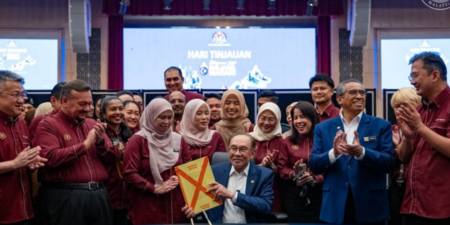
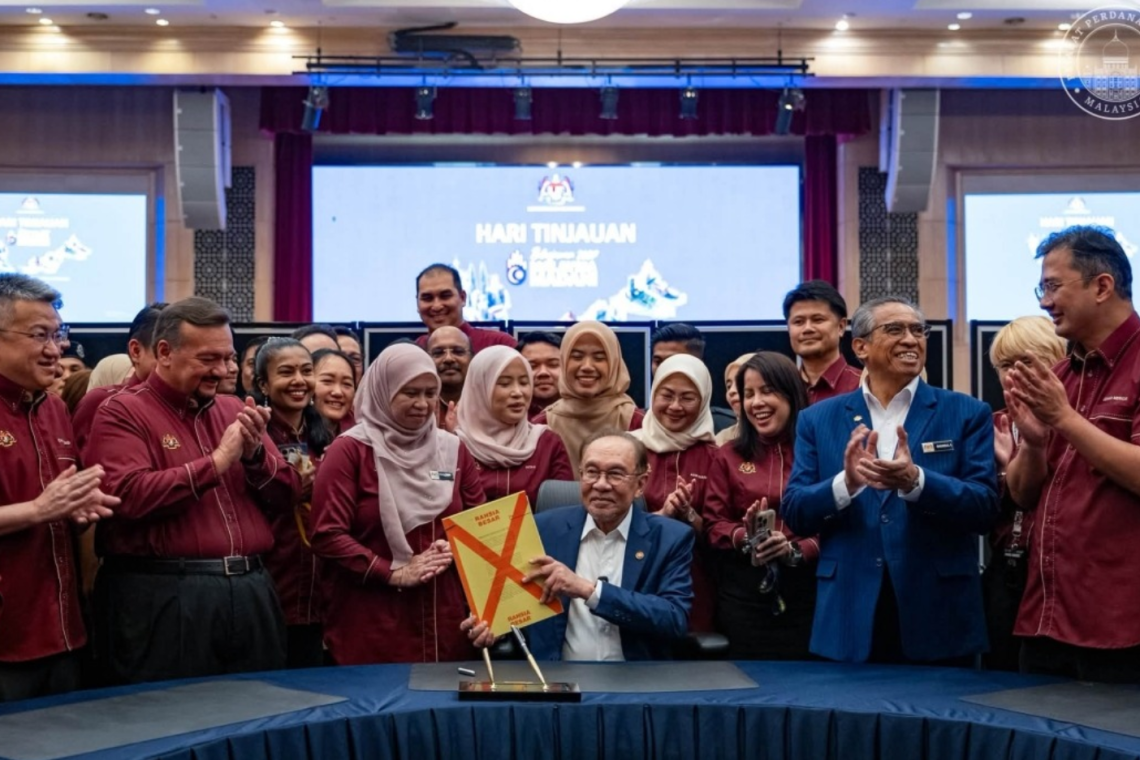
- Prime Minister and Finance Minister Anwar Ibrahim October 9 tabled Budget 2027 designed to convert the gains from earlier reforms into broader economic and political support. It sets out a MYR 510 billion ($124.7 billion) spending and investment package, up from MYR 470 billion ($114.9 billion) in 2026. Federal expenditure accounts for MYR 459.8 billion ($112.4 billion), with the balance mainly comprising investment by government-linked investment companies (GLICs) and public-private partnerships. The package maintains fiscal consolidation while directing more visible assistance to households, workers and businesses as the government approaches the next general election.
- The budget’s central economic proposition is to strengthen domestic demand without weakening investor confidence. It preserves the deficit-reduction trajectory while using public investment, financing and targeted incentives to support expansion, productivity and local capability development. The approach is intended to sustain growth without returning to broad-based stimulus.
Significance
- The budget combines substantial household assistance with a push to strengthen Malaysia’s industrial capabilities. More than MYR 80 billion ($19.6 billion) is allocated to subsidies and assistance, while GLICs plan MYR 25 billion ($6.1 billion) in domestic investment. Funding for semiconductor design and advanced packaging seeks to help Malaysian businesses move into higher-value activity, alongside support for domestic suppliers. For major investors, the policy signal is constructive: investment remains welcome, with greater attention to local supplier development and higher-value employment. The government projects growth of 4.2 to 5.2 percent in 2027 and aims to narrow the fiscal deficit to 3.3 percent of GDP, from an estimated 3.6 percent in 2026. Maintaining that trajectory while supporting households will depend partly on containing fuel subsidy costs.
- The Johor-Singapore Special Economic Zone (JS-SEZ) master plan and investment blueprint are expected to be launched by the end of 2026, following earlier delays. Their release should provide greater clarity for investors. Likewise, planned grid spending by Tenaga Nasional Berhad (TNB), Malaysia’s national electricity utility, supports capacity expansion, although actual connection timelines remain important for data centers and other energy-intensive projects.
- Healthcare and digital initiatives offer additional openings. Increased funding for public patients to receive treatment at private hospitals could create new opportunities for healthcare providers. MediAsas, a basic medical insurance plan scheduled for January 2027, allows eligible Employees Provident Fund (EPF) members to pay premiums using their Akaun Sejahtera savings, potentially expanding opportunities for insurers and private hospitals. Funding for small-business AI adoption offers another opportunity, while the proposed E-Commerce Bill will bring closer scrutiny of online platforms.
Implications
- For companies, implementation will determine whether the budget’s policy intent translates into stronger commercial outcomes. Timely infrastructure delivery, clear incentive and procurement rules, and workable labor and regulatory requirements will be critical. Companies that engage early and build credible local capabilities should be better positioned to capture emerging opportunities. Its commercial value will depend on timely infrastructure delivery and practical implementation, including opportunities to partner with local businesses.
- For businesses, the measures bring both incentives and operating considerations. Enhanced tax treatment for regional service hubs and the extension of green investment allowances until 2030 support new projects and the upgrading of existing operations. Larger employers, however, will need to absorb a higher minimum wage from June 2027, while manufacturers should engage early as the government reviews the reinvestment allowance to make it more targeted.
We will continue to keep clients updated as the budget is debated in Parliament. If you have comments or questions, please contact BGA Managing Director Hafizin Tajudin at htajudin@bowergroupasia.com.
Best regards,
BGA Malaysia Team

×