















Philippine President Marcos Jr. Sets Out Key Priorities in Fifth State of the Nation Address
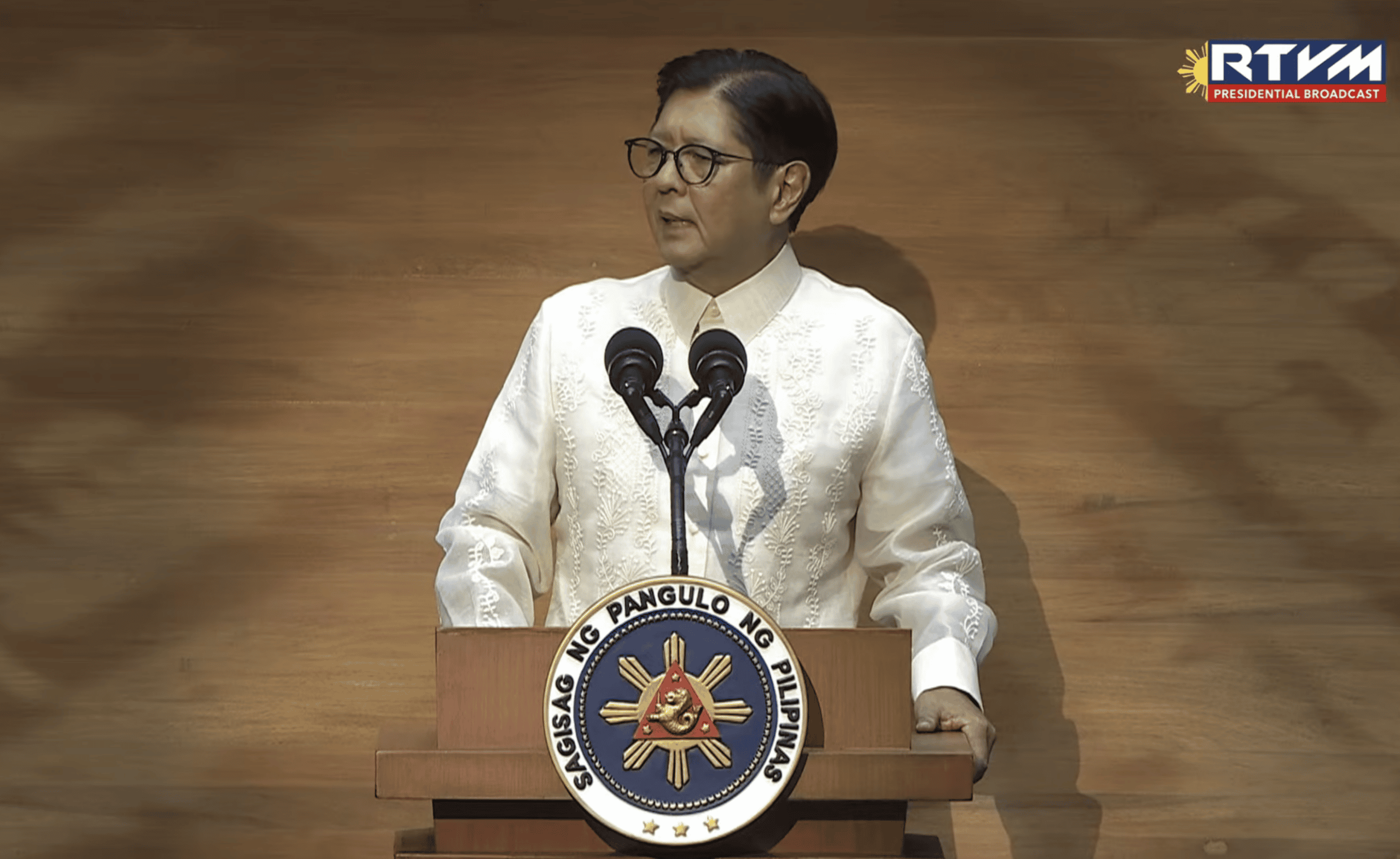
The BGA Philippines Team, led by Managing Director Victor Andres Manhit, wrote an update to clients on the Philippine president’s fifth state of the nation address.
Context
- President Ferdinand “Bongbong” Marcos Jr. delivered his fifth state of the nation address at the Batasang Pambansa in Quezon City July 27. The address highlighted his administration’s accomplishments over the past year and outlined its policy priorities for the remaining two years of his presidency.
- The speech centered on the administration’s intensified anti-corruption campaign following last year’s flood-control controversy as well as expanded social-protection measures aimed at mitigating the economic impact of the Iran war crisis. This closely aligned with public sentiment reflected in Pulse Asia Research Inc.’s pre-address survey, which identified anti-corruption as the top issue for Filipinos. It also covered energy security, education, digitalization, investment promotion, health care and regional cooperation through the Association of Southeast Asian Nations (ASEAN) — which the Philippines currently chairs.
Significance
- A year after exposing the flood-control scandal, Marcos highlighted the administration’s anti-corruption drive and the results of its investigations into alleged irregularities. The probe has resulted in charges and arrests involving contractors, senior Department of Public Works and Highways officials and lawmakers. The government has also recovered, frozen or preserved around PHP 25 billion ($405.2 million) in assets linked to the accused; returned more than PHP 800 million ($13 million) to the National Treasury; and stopped payments for defective, fraudulent or nonexistent projects.
- On the economic front, Marcos highlighted the government’s efforts to attract investment through ease of doing business reforms, digitalization, and major investment initiatives. He cited more than PHP 6 trillion ($97.2 billion) in investments facilitated through the Green Lanes initiative, the proposed U.S.-led Pax Silica Industrial Hub under the Luzon Economic Corridor and the Philippines’ commitment to regional initiatives such as the Digital Economy Framework Agreement and ASEAN Power Grid.
Implications
- Businesses should monitor the administration’s energy response following the impact of the Middle East conflict. Marcos highlighted the declaration of a state of national energy emergency to secure the country’s fuel supply as well as the government’s efforts to diversify its oil imports and work with oil companies to stagger fuel price increases, implement major price rollbacks and suspend excise taxes on liquefied petroleum gas and kerosene for three months.
- The speech reflected the administration’s focus on addressing immediate public concerns, particularly through expanded social assistance (ayuda) and targeted interventions. While these measures may help cushion the impact of current economic pressures, many appear to be short-term responses that will need to be complemented by deeper structural and institutional reforms. The speech devoted less attention to longer-term economic reforms, including fiscal sustainability, job creation and concrete measures to address persistent concerns such as inflation.
We will continue to keep you updated on developments in the Philippines as they occur. If you have any comments or questions, please contact BGA Philippines Managing Director Victor Andres Manhit at vmanhit@bowergroupasia.com.
Best regards,
BGA Philippines Team

×