



















Philippines’ ASEAN Chair Year To Advance Regional Cooperation Amid Rapidly
The BGA Philippines team, led by Managing Director Victor Andres Manhit, prepared an update for clients on Association of Southeast Asian Nations (ASEAN) Summit 2026.
Context
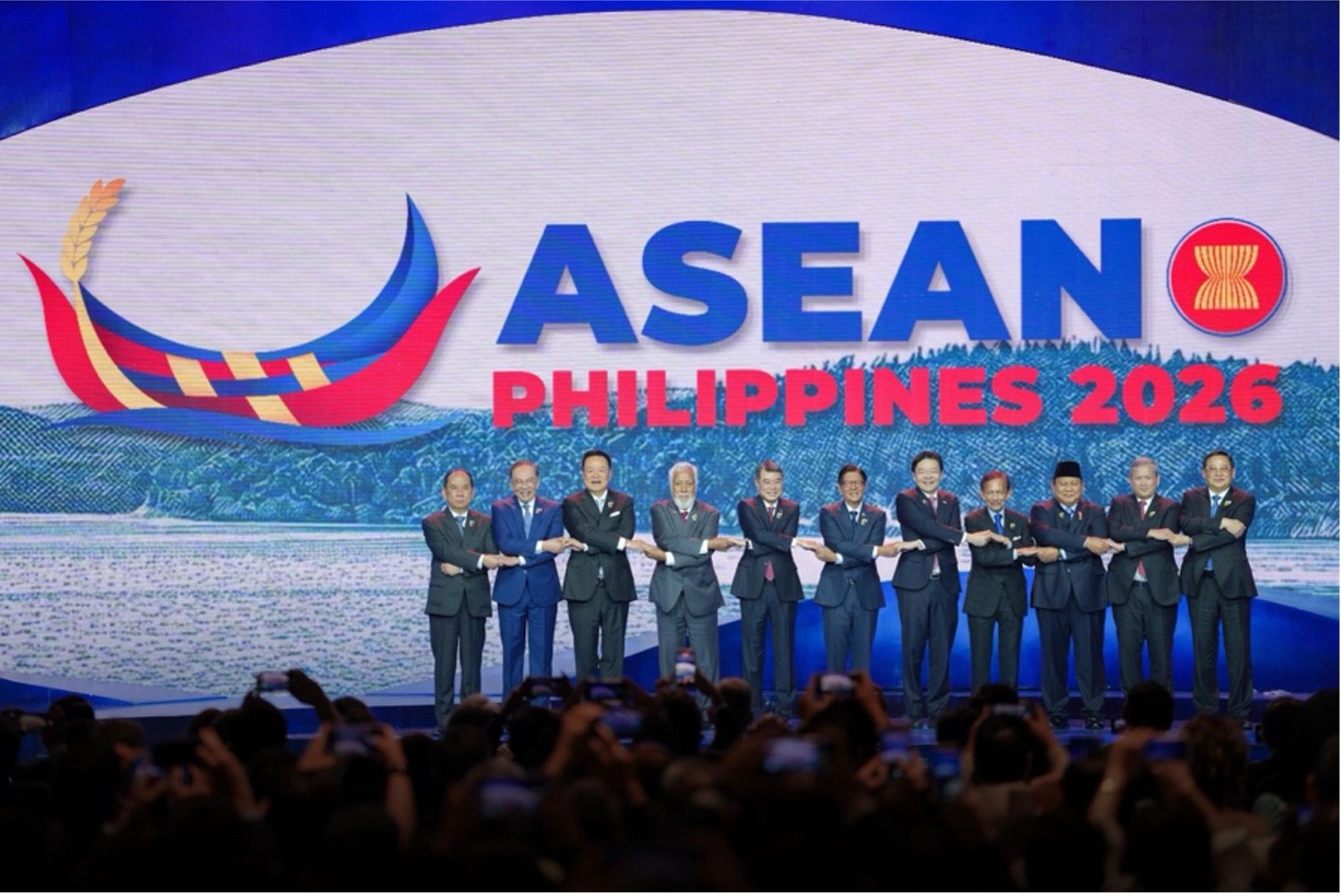
- The Philippines, as ASEAN chair in 2026, convened the 48th ASEAN Summit in Cebu from May 8 under the theme “Navigating Our Future, Together.” The summit was held in a scaled down format due to the Middle East conflict, with leaders also amending the ASEAN Charter to admit Timor‑Leste as a full member – the first such amendment since 2007. As chair, the Philippines is shaping ASEAN’s agenda, though timelines for several initiatives have become uncertain due to shifting regional priorities.
- The regional agenda has shifted toward energy security, food security and protecting Southeast Asian nationals amid global instability. The Philippines declared a national energy emergency in March, influencing ASEAN discussions and priorities. While leaders reaffirmed economic integration goals, some initiatives may be delayed or rescheduled due to geopolitical pressures and evolving regional conditions.
Significance
- ASEAN is reinforcing its commitment to economic integration while adapting to a more complex geopolitical environment. The summit welcomed the Philippines’ 19 priority economic deliverables, which aim to deepen economic integration, promote innovation and the creative economy and advance sustainable development through emerging technologies.Leaders advanced the ASEAN Economic Community Strategic Plan 2026-2030, aiming to sustain growth, promote innovation and position ASEAN as the world’s fourth‑largest economy by 2030. The region recorded 4.9 percent growth in 2025 and expects 4.6 percent in 2026, supported by domestic demand and investment.
- Digital transformation, supply chain resilience and maritime coordination have emerged as core pillars of ASEAN’s evolving strategy. Initiatives include progress toward the ASEAN Digital Economy Framework Agreement, an Artificial Intelligence (AI)‑driven micro, small and medium enterprises (MSME) growth agenda and upgraded regional trade agreements, alongside stronger cooperation on maritime security and adherence to United Nations Convention on the Law of the Sea (UNCLOS). The proposed ASEAN Maritime Center in the Philippines signals a move toward more coordinated regional security and operational mechanisms. Following the summit, Marcos announced that ASEAN member states adopted key regional documents, including the ASEAN Leaders’ Declaration on Maritime Cooperation. The declaration reaffirms ASEAN’s collective commitment to enhancing maritime cooperation and recognizes the multidimensional nature of maritime issues in the region.
Implications
- Businesses should expect evolving policy priorities that will shape trade, investment and supply chains across Southeast Asia. Continued integration efforts, new trade agreements and digital economy frameworks will create opportunities in sectors such as critical minerals, AI, consumer-oriented light manufacturing, the creative industry and digital and telecommunications infrastructure, smart agro-industries and cross‑border payments. However, shifting timelines and geopolitical pressures may delay implementation and affect near-term planning.
- Companies must factor in increased policy focus on energy security, supply chain resilience and regional fragmentation risks. ASEAN governments may prioritize domestic stability over regional commitments, particularly in energy and trade, while pursuing diversification strategies. At the same time, initiatives such as the ASEAN Power Grid, maritime cooperation and digital integration present longer-term opportunities for firms aligned with regional priorities.
If you have questions or comments, please contact BGA Philippines Managing Director Victor Andres “Dindo” Manhit at vmanhit@bowergroupasia.com.
Best regards,
BGA Philippines

×