
















Taiwan Advances Foreign Ownership Waivers for Satellite Operators
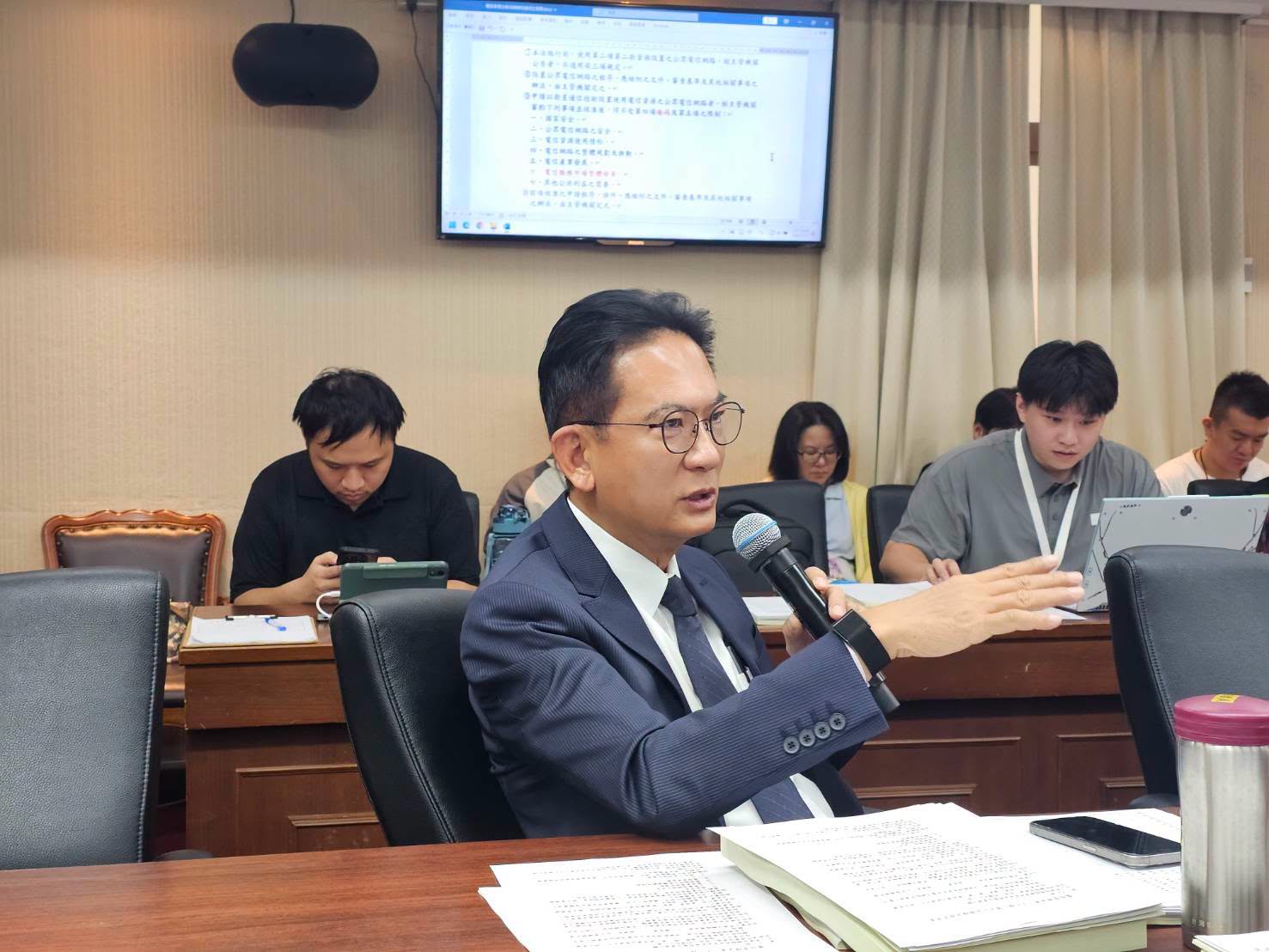
BGA Taiwan Senior Adviser Rupert Hammond-Chambers prepared an update for the clients on the recently approved amendment to the Telecommunications Management Act.
Context:
- The Legislative Yuan’s Transportation Committee approved an amendment to Article 36 of the Telecommunications Management Act (電信管理法) on July 13. This would authorize the National Communications Commission (NCC) to grant satellite network operators case-by-case exemptions from requirements governing their chairperson’s nationality and foreign ownership. The committee adopted revised language suggested by the NCC, and the amendment can now proceed to a floor vote. The ruling Democratic Progressive Party’s caucus may still request negotiations, which could delay a final vote from late August until October.
- The proposed text would allow a satellite operator such as SpaceX to establish a wholly foreign-owned subsidiary in Taiwan without first transferring control to Taiwanese shareholders. Current law requires the chairperson of a public telecommunications network operator using spectrum to be a Taiwanese national. Direct foreign ownership is capped at 49 percent, while combined direct and indirect foreign ownership cannot exceed 60 percent. If the committee-approved text is enacted, foreign satellite operators would still need NCC approval before entering Taiwan as it would consider national security, public network security, spectrum use, network planning, market development and the public interest.
Significance
- The government is seeking this additional capacity primarily to prepare for a blockade, military conflict or large-scale infrastructure failure. In the event of a Chinese military operation against Taiwan, undersea cables, cable landing stations, electricity infrastructure and mobile base stations could all come under simultaneous pressure. Satellite links could preserve limited communications among the central government, military units, emergency services and offshore islands.
- They could also help Taiwan maintain contact with the United States, Japan and other partners, enable information to continue flowing overseas and support essential financial and commercial activity. Satellite links would serve as a limited backup to terrestrial networks and complicate any attempt by China to isolate Taiwan during the opening stage of a conflict.
Implication
- Among the providers available to Taiwan, Starlink offers capabilities that the country’s current satellite arrangements cannot provide. Its constellation is substantially larger than OneWeb’s and could provide wider coverage and greater capacity during a large-scale communications disruption. It also has practical applications for offshore and distant-water fisheries, aviation, mountainous areas, disaster response and wartime communications. BGA assesses that Lin’s statement applies mainly to the consumer market and does not account for the emergency and national security applications behind the current amendment.
- Reliance on Starlink would carry geopolitical risks. Operational control rests largely with SpaceX and its owner Elon Musk. Musk’s business interests in China, along with his past suggestion that Taiwan become a special administrative zone, have long raised concerns within Taiwan’s national security establishment. Ukraine’s use of Starlink has made its military value more visible and eased some public concerns about Musk.
If you have questions or comments, please contact BGA Taiwan Senior Adviser Rupert Hammond-Chambers at rupertjhc@bowergroupasia.com.
Best regards,
BGA Taiwan Team

×