




















Resilience as Globalization by Other Means
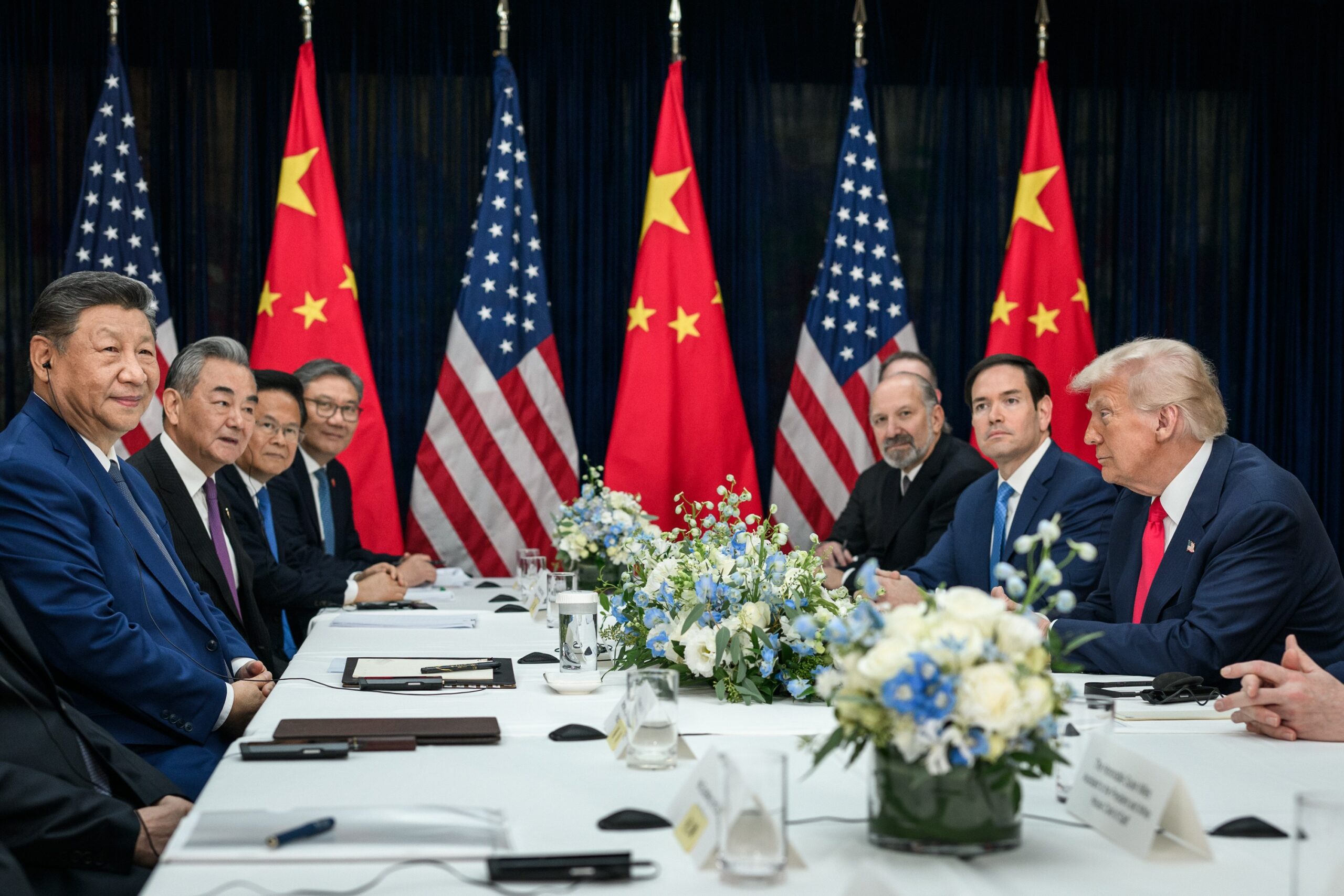
BGA Senior Adviser Dr. Thitinan Pongsudhirak wrote an update for clients on why resilience has become the new operating model for globalization.
Context
- The post-Cold War era ushered in a period in which globalization, economic integration and efficiency dominated corporate strategy and policy thinking. Companies built lean, cross-border production networks around “just-in-time” models, taking advantage of freer trade, lower production costs and expanding access to capital, technology, labor and consumer markets. China benefited more than any other country from this period, integrating into global trade and investment networks while becoming the workshop of the world and a central node in East and Southeast Asian supply chains.
- That model has shifted as U.S.-China strategic rivalry, the COVID-19 pandemic, Russia’s invasion of Ukraine, technology restrictions and energy and shipping disruptions exposed the risks of deep interdependence. The United States and China became economic partners before becoming strategic competitors, making trade, technology, finance, supply chains and market access sources of both opportunity and vulnerability. The result is not wholesale decoupling but the securitization of interdependence, with governments and businesses treating semiconductors, critical minerals, energy, data, shipping routes and production hubs as strategic assets.
Significance
- Resilience is becoming a structural feature of globalization rather than a temporary response to disruption. Companies can no longer assume that the cheapest supplier, most efficient production location or largest market is always the optimal choice. Commercial decisions are increasingly shaped by geopolitical exposure, concentration risk, regulatory restrictions and the possibility that critical inputs or markets can be disrupted or weaponized.
- This does not mark the end of globalization. The production networks, markets and technologies built over the past several decades remain too embedded for most firms to unwind fully. Instead, globalization is adapting to the return of geopolitics. The operating model is shifting from maximum efficiency toward selective resilience, with companies seeking diversification, redundancy and alternative sourcing where dependence creates unacceptable risk.
Implications
- Companies should assess where interdependence creates excessive vulnerability without assuming that all exposure is equally risky. Priority areas include supplies that would be difficult to replace, technologies that could face strategic restrictions, markets that account for too much revenue, energy sources and raw materials with limited alternatives and logistics corridors or production hubs that represent single points of failure. Where disruption would impose unacceptable costs, additional inventory, supplier diversification, alternative production locations and contingency planning may be justified even if they reduce short-term efficiency.
- Businesses should continue pursuing global opportunities while building sharper political and supply chain risk analysis into strategy. The new environment rewards firms that can balance efficiency with resilience, identify where dependencies create strategic exposure and adapt operations before shocks occur. BGA will continue helping clients understand how geopolitical fragmentation, U.S.-China competition and supply chain reconfiguration are reshaping commercial decisions across the Indo-Pacific.
We will continue to update you on developments in the Indo-Pacific. If you have comments or questions, please contact BGA Senior Adviser Dr. Thitinan Pongsudhirak at thitinan@bowergroupasia.com.
Best regards,
BowerGroupAsia

×