

















Singapore’s AI Moment: Can It Translate Governance Ambitions Into Sustained Growth?
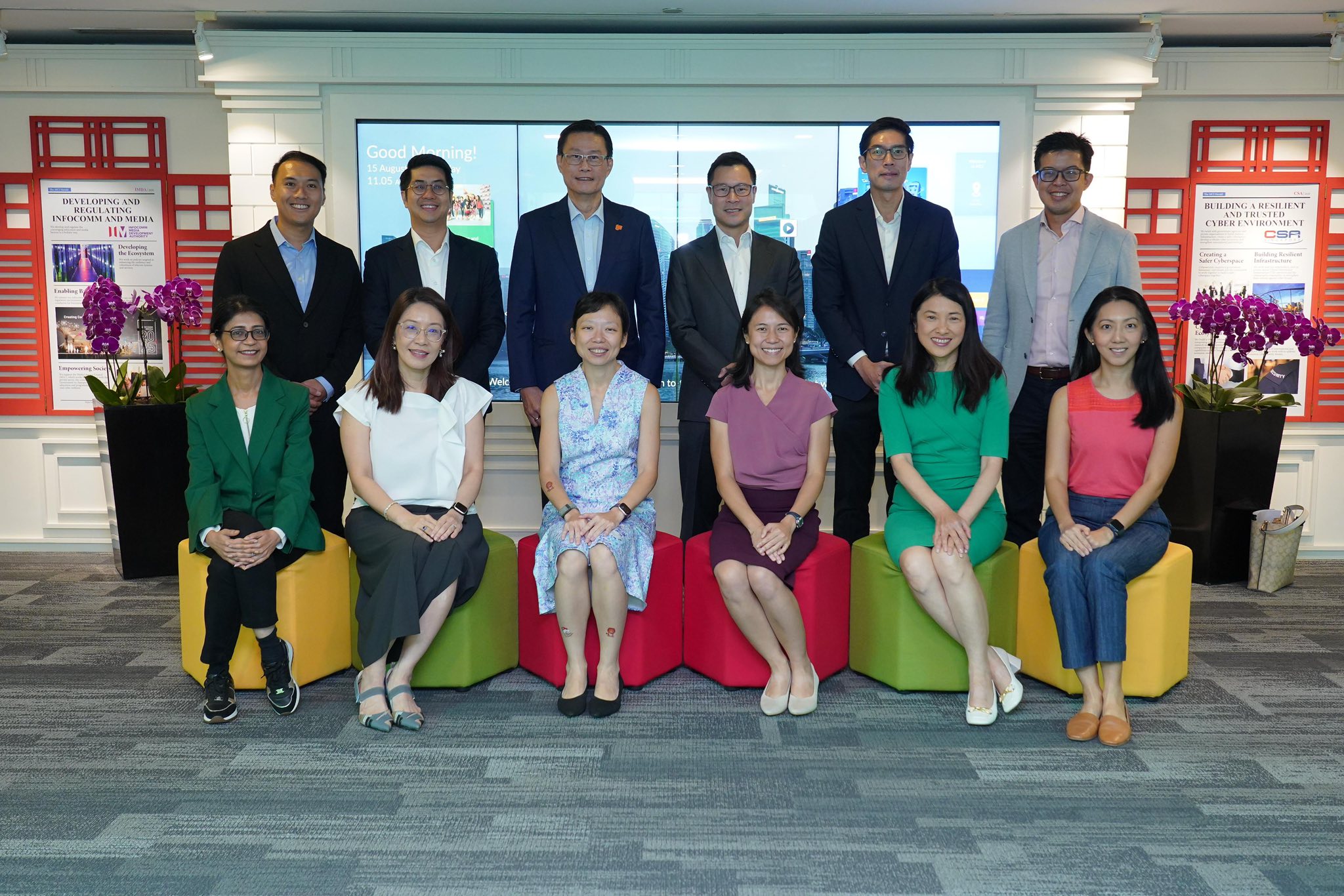
BGA Singapore Managing Director Nydia Ngiow, Director for Technology Heidi Mah and Analyst Vanessa Kang wrote an update to clients on Singapore’s AI ambitions.
Context
- Singapore continues to advance its ambition to be a pacesetter in global artificial intelligence (AI) readiness, as outlined in the National AI Strategy 2.0 (NAIS 2.0) released in December 2023. Rather than viewing AI through a zero-sum or exclusively sovereign lens, the country has adopted a pragmatic and collaborative approach that reflects its structural realities. In line with this approach, Singapore seeks to differentiate itself by strengthening global and industry partnerships and advancing open, interoperable AI development.
- This was evident at the recent Singapore International Cyber Week (SICW) 2025, held from October 20-23, where AI featured prominently in discussions on emerging vulnerabilities as AI becomes more deeply embedded in critical systems. The government showcased panel discussions on the use of agentic AI in cybersecurity operations, organized a hands-on AI challenge to encourage cross-domain problem-solving and released an addendum on securing agentic AI systems for public consultation. A similar emphasis was seen at the Singapore FinTech Festival (SFF) held from November 12 to 14, where key announcements included deeper collaboration between Singapore and the United Kingdom under the AI-in-Finance Partnership and the Monetary Authority of Singapore launching consultations on proposed Guidelines for AI Risk Management to support responsible adoption across financial institutions. This comes as a timely update following the Fairness, Ethics, Accountability and Transparency principles introduced in 2018 on the responsible use of AI as well as the Monetary Authority’s thematic review of banks’ AI model risk management practices conducted last year.
Significance
- While Singapore’s approach continues to emphasize trust, interoperability and responsible innovation, regional peers such as Japan and Korea are advancing through deeper alignment with the United States on AI technology stack development. The latter’s partnerships with the United States underscore a growing global trend of alliance-driven industrial strategies that integrate AI with export competitiveness and supply chain resilience. With Singapore positioning itself as a neutral hub built on governance credibility rather than industrial scale, this differential raises important questions about how the island can sustain influence and relevance amid an increasingly bloc-based AI ecosystem.
- Singapore’s progress also raises important questions for policymakers and industry about how its ambitions under NAIS 2.0 are translating into tangible outcomes. One consideration is the extent to which AI has been meaningfully integrated to improve productivity, resilience and competitiveness across the various sectors. Another is whether Singapore is moving toward its earlier aspiration to become an “iconic site” for AI talent and community development and, separately, whether the ecosystem is evolving to support the creation and development of key components of the AI technology stack locally.
Implications
- For companies considering future AI-related investments or expanded activities in Singapore, the country provides predictability through clear government priorities and an ecosystem designed to support responsible innovation. The next phase of Singapore’s AI journey will be crucial in determining whether its policy-driven framework can fully mature into a self-sustaining innovation ecosystem capable of anchoring genuine technological breakthroughs. As the global race for AI leadership accelerates, Singapore’s approach will serve as a benchmark for how a small, advanced economy can translate policy ambition into enduring capability and impact.
If you have any questions, please reach out to Director for Technology Heidi Mah or Singapore Analyst Vanessa Kang.
Best regards,
BGA Singapore Team

×