



















Taiwan Prioritizes Domestic Pharmaceutical Production
The BGA Taiwan team, led by Senior Adviser Rupert Hammond-Chambers, team prepared an update for clients on the government’s renewed push to strengthen domestic pharmaceutical production through the National Pharmaceutical Resilience Preparedness Plan.
Context
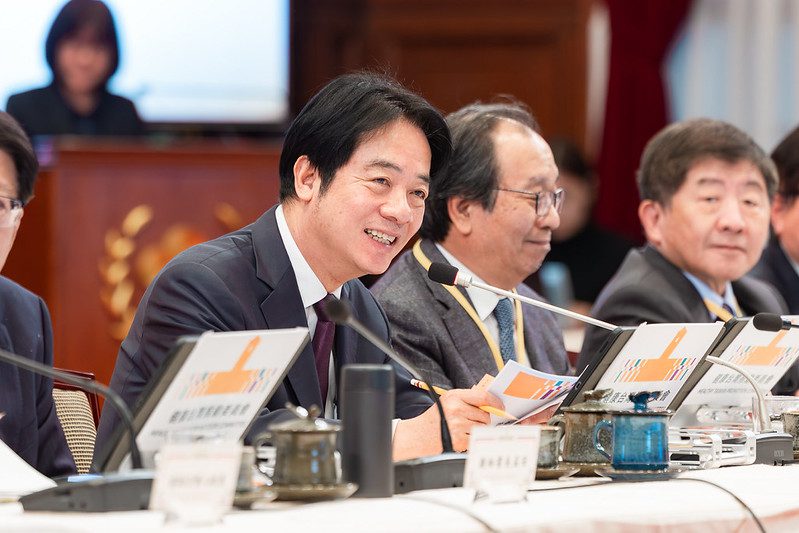
- President Lai Ching‑te has elevated domestic pharmaceutical production as a core policy priority through the National Pharmaceutical Resilience Preparedness Plan. The plan, coordinated by the Executive Yuan and supported by the Ministry of Health and Welfare, Ministry of Economic Affairs and other agencies, will be implemented between 2026 and 2029 with a total budget of TWD 24 billion to ensure stable nationwide supply of critical medicines.
- The policy emphasizes “domestic medicines for domestic use” and resilient self‑production to strengthen supply security. While the initiative seeks to foster Taiwan’s local pharmaceutical industry and localize production of at least 50 critical medicines and medical devices, it is expected to reshape competitive dynamics for both domestic and foreign pharmaceutical companies operating in Taiwan.
Significance
- The plan is expected to exert sustained competitive pressure on foreign pharmaceutical companies. Measures such as preferential pricing and procurement for domestically produced medicines, encouragement of biosimilar and generic substitution and continued drug price reductions under the National Health Insurance system may disadvantage imported products, particularly originator drugs after patent expiration.
- At the same time, the policy creates a strategic opening for foreign firms with advanced capabilities to integrate into Taiwan’s pharmaceutical ecosystem. Multinational companies with proprietary manufacturing technologies, digitalized production systems and high‑value equipment can leverage government investment, regulatory support and localization incentives to deepen participation in domestic supply chains.
Implications
- Foreign pharmaceutical companies should plan for higher regulatory, technical and pricing barriers in Taiwan’s market. Heightened expectations around environmental compliance, evolving critical‑medicine lists, increased supply‑chain transparency requirements and potential tightening of reimbursement standards may raise operating costs and increase commercial uncertainty.
- Businesses with strategic alignment can pursue new growth opportunities through localization and partnership models. Technology transfer and patent licensing, contract development and manufacturing partnerships, localized clinical trials and domestic production lines — supported by subsidies, tax incentives and a three‑year moratorium on price surveys — offer pathways to secure market access and long‑term positioning in Taiwan.
We will continue to keep you updated on developments in Taiwan as they occur. If you have any comments or questions, please contact BGA Taiwan Senior Adviser Rupert Hammond-Chambers at rupertjhc@bowergroupasia.com.
Best regards,
BGA Taiwan Team

×