















Trump-Xi Beijing Summit: Managed Stability Under Pressure
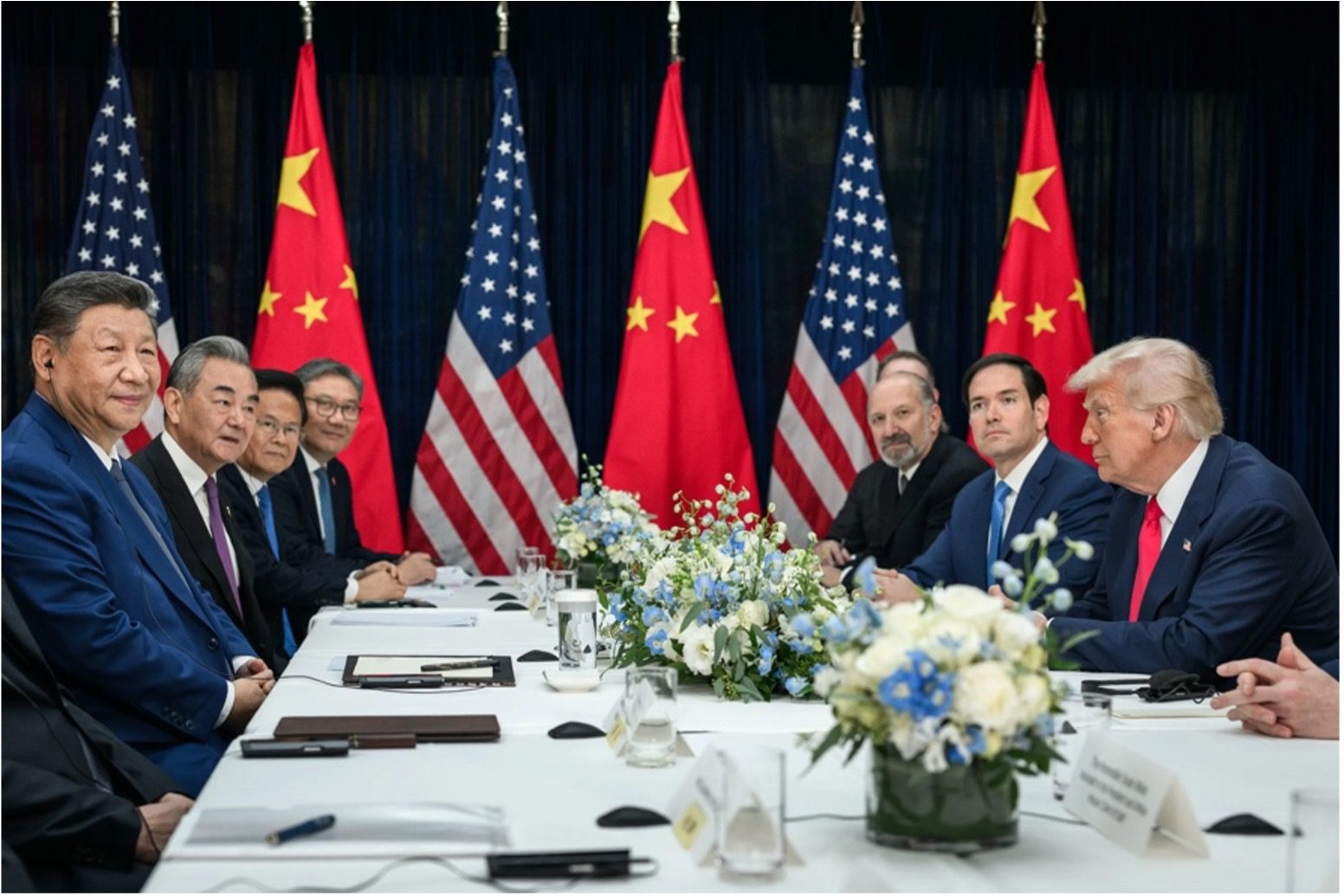
BGA China Adviser Eric Wang and Account Manager Sam Overholt wrote an update to clients on the meeting between Presidents Donald Trump and Xi Jinping in Beijing.
Context
- U.S. President Donald Trump will visit Beijing from May 14-15. While the Busan tariff truce between Trump and Chinese President Xi Jinping remains in place, it expires November 10, making this summit the opening move in a time-bound negotiation. The agenda is broad, but near-term outcomes are likely to be narrow. The most durable question is whether the two governments can agree on a successor structure to replace the Busan framework when it lapses in November.
- Working-level talks continued through April between U.S. Treasury Secretary Scott Bessent, U.S. Trade Representative Jamieson Greer and Chinese Vice Premier He Lifeng, centering on two priorities: rare-earth access and predictability and extending the tariff framework beyond November 10. Public statements from both capitals emphasized stability rather than a wholesale reset. Greer said Washington is “looking to maintain stability” and wants to “continue to get rare earths from the Chinese,” while Chinese Foreign Ministry spokesperson Mao Ning on April 8 called for “greater stability to China-U.S. economic and trade cooperation.”
Significance
- The summit is the start of a six-month window closing with the Busan truce’s expiration November 10; it is not a single-event deliverable. The April record signals a Chinese preference for stability with Washington and on Iran. The Chinese delegation will look to consolidate that posture, not escalate it. Red lines remain visible, namely Taiwan, secondary sanctions on state-owned majors such as Sinopec and PetroChina and a return to the triple-digit reciprocal tariffs of early 2025.
- A confirmed reciprocal visit by Xi to the United States later in 2026 would indicate both sides see this summit as the start of sustained engagement. A vague or absent commitment suggests Beijing reads it as transactional. On Iran, China’s political support for the Pakistan-brokered ceasefire and its United Nations Security Council vote signal a stability preference. But continued vessel traffic and Iranian crude purchases mean that preference does not extend to subordinating energy security to U.S. pressure. Chinese language on Iran in the readouts will indicate where the line sits.
Implications
- The readouts across the following five tracks will indicate where each side is positioned:
- Trade Framework: The substantive marker is whether framework language survives the summit and points to a successor to the Busan truce. A multi-year framework, even at a high level, would signal both sides have agreed to keep tariffs close to current levels through 2027.
- Technology: The Chinese ask is restraint on new controls; the U.S. ask is continued rare earth predictability. A linked deal is the most likely substantive outcome.
- Critical Minerals: Rare earths are where Beijing has the most leverage and Washington the most visible political need. A Chinese commitment to export licensing predictability, magnet supply or processing access in exchange for tariff continuity would be the cleanest substantive exchange.
- Sanctions: Iran-related enforcement will be an early indicator of whether both sides are prepared to manage sanctions issues without letting them dominate the broader relationship. A rescission, licensing or quiet workaround at the summit would suggest Washington is willing to calibrate enforcement in service of broader stability, lowering the near-term likelihood of a wider campaign against Chinese refiners. Any move against Sinopec or PetroChina, however, would cross from targeted enforcement into a systemic challenge to China’s energy security and remain a clear red line.
- Taiwan: Taiwan is the area where a “soft launch” of detente would be least likely to involve explicit bargains. The stability marker would be a mutual effort to keep Taiwan from becoming the central test of the relationship, with both sides avoiding symbolic escalation and preserving room for broader coordination.
If you have any questions, please contact BGA Adviser Eric Wang at ewang@bowergroupasia.com or Account Manager Sam Overholt at soverholt@bowergroupasia.com.
Best regards,
BGA China Team

×