















Trump-Xi Summit in Beijing: AI, Agriculture and Aircraft
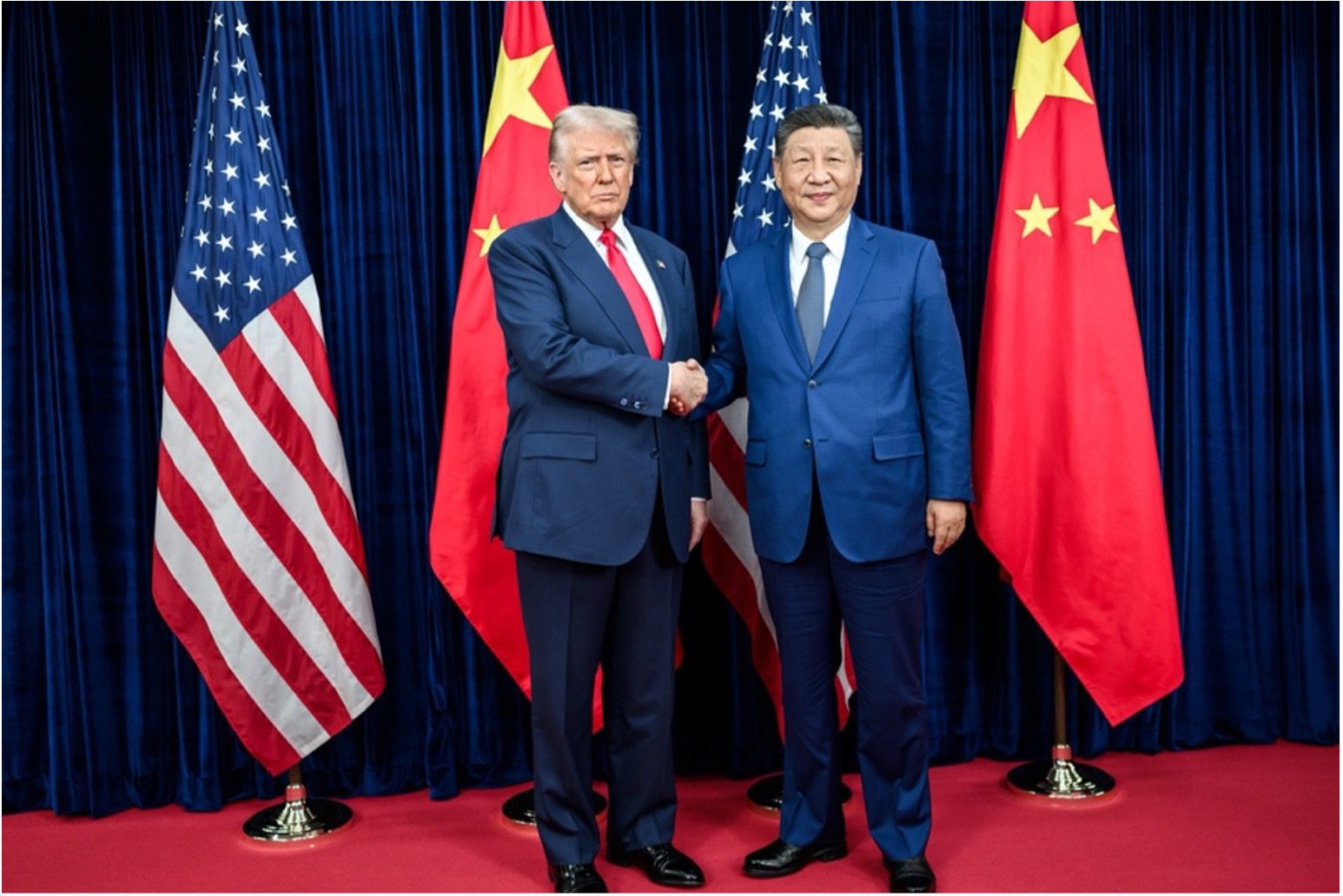
BGA Managing Director for Global Trade and Economics (GTE) Nydia Ngiow wrote an update to clients on the meeting between Presidents Donald Trump and Xi Jinping in Beijing.
Context
- U.S. President Donald Trump will travel to Beijing May 14-15 for his first visit to China in nearly a decade, meeting Chinese President Xi Jinping at a moment of unusually high geopolitical and economic strain. The summit comes amid persistent U.S.-China trade tensions, fractured alliance management following the U.S. administration’s volatile tariff measures and a widening Middle East conflict that has increased pressure on energy markets and U.S. strategic bandwidth alike. Against this backdrop, both sides are seeking limited stabilization rather than normalization, with the White House confirming discussions on trade and investment mechanisms, aerospace, agriculture, energy, artificial intelligence (AI) and Iran.
- While the October 2025 U.S.-China trade truce remains intact, it was always intended as a temporary off-ramp. The composition of the accompanying CEO delegation, spanning representation from the technology, financial services, aerospace, agriculture and manufacturing sectors, strongly suggests that the administration is prioritizing near-term commercial wins and market access outcomes that can be framed domestically as economic victories. Companies should nevertheless expect announcements from the summit to focus on targeted procurement commitments, supply chain relief and narrowly scoped regulatory understandings rather than broader structural concessions.
Significance
- Establishing a board of trade to manage trade in non-sensitive goods and a board of investment to provide a platform for government-to-government discussions on investment issues will be on the agenda. Although it is clear from the events of the past year that a regular platform is required between the two powers to provide more predictability, implementation details will be key, especially after the first Trump administration terminated the Comprehensive Economic Dialogue (formerly known as the Strategic and Economic Dialogue during the administration of Barack Obama) in its first year. If institutionalized, these mechanisms could provide companies with earlier visibility into bilateral trade frictions and regulatory disputes.
- Many analysts assess that China enters the summit with greater leverage and is more likely to extract substantive concessions. China spent years diversifying its export markets, building its own payment infrastructure and stockpiling strategic reserves. This has strengthened the country’s resilience against external pressure, allowing it to withstand blockades in the Strait of Hormuz even as it has the largest volume of trade disrupted. Additionally, the diversion of U.S. military assets to the Middle East has reduced Washington’s visible Indo-Pacific presence, which provides Xi with greater latitude on Taiwan.
Implications
- Companies should expect the summit to prioritize tariff stabilization rather than rollback. With tariffs naturally top of mind for discussions, companies should note that any potential deals arising out of this summit will likely impose a near-term ceiling on any forthcoming China-specific Section 301 tariffs in exchange for Chinese procurement on agricultural goods and aircraft. China’s Ministry of Commerce launched two investigations into U.S. trade practices in March after the launch of the two Section 301 investigations that included China. While these Chinese investigations suggested the possible return of the tit-for-tat tariff hikes seen in 2025, corporate stakeholders hope that the summit leads to a more enduring trade deal that resolves these issues before further escalation. Nevertheless, the U.S. may choose to target China through third countries, particularly the other 15 economies investigated for excess manufacturing capacity that may rely heavily on Chinese components or inputs.
- The CEO delegation is the best indication of what the United States aims to accomplish at the summit. This includes market access for payments and increased financial market liberalization, agricultural innovation, rare-earth supply chain relief, access to the electric vehicles and purchases in agriculture and aircraft.
If you have any questions, please reach out BGA Managing Director for GTE Nydia Ngiow at nngiow@bowergroupasia.com.
Best regards,
BGA GTE Team

×