


















USTR Visit Preserves Momentum in India-US Trade Talks
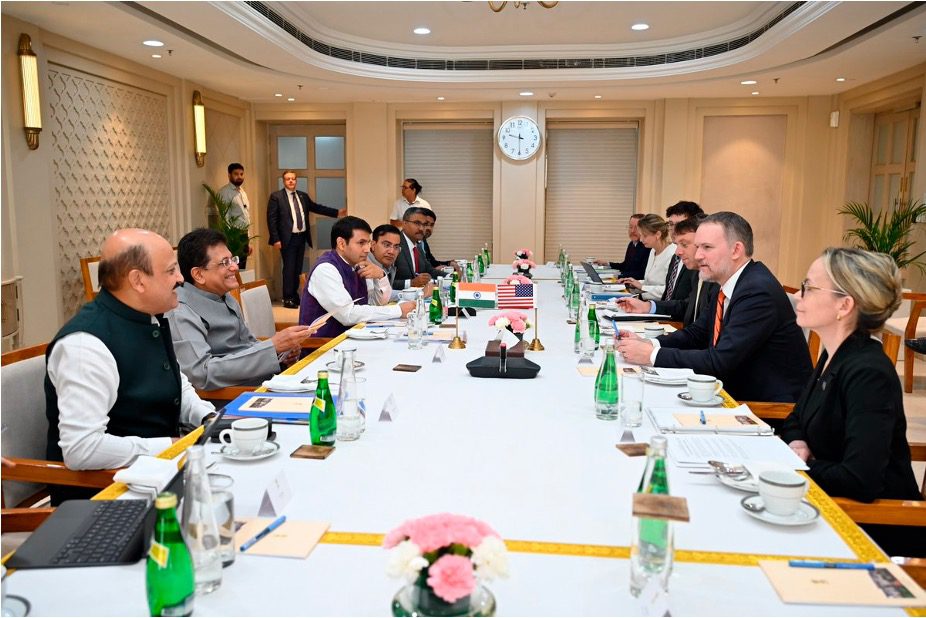
The BGA India team, led by Managing Director, Anuj Gupta prepared an update for clients on U.S. Trade Representative (USTR) Jamieson Greer’s visit to New Delhi.
Context
- The June 23-24 visit of USTR Jamieson Greer to New Delhi for high-level discussions with Commerce Minister Piyush Goyal, Finance Minister Nirmala Sitharaman and senior trade officials reinforced both governments’ commitment to advance negotiations on a proposed bilateral trade agreement (BTA) and reduced the risk of a near-term breakdown in talks. While public messaging from both sides remained constructive, the visit yielded no announced breakthroughs and offered no indication that the most difficult issues have been resolved.
- The significance of the visit lies less in any immediate outcome and more in the signal that Washington and New Delhi remain committed to finalizing a deal. Both sides noted that most of the first tranche is complete, with negotiations now focused on resolving a narrow set of politically and technically difficult issues.
Significance
- The talks now appear to be moving from broad political commitments toward sector-specific trade-offs involving agriculture, industrial goods, digital trade and regulatory issues. These areas will likely determine the timing and scope of any agreement.
- For businesses, the visit confirms that bilateral economic engagement remains on a constructive path, even as important policy and commercial differences persist. Companies with exposure to manufacturing, electronics, pharmaceuticals, industrial supply chains, agriculture, energy and technology should treat the dialogue as a moving baseline for mid-to-long-term regional architecture and supply chain planning.
Implications
- For businesses, the visit reinforced expectations of continued engagement, particularly for companies evaluating long-term investments in manufacturing, export-oriented production and supply chain diversification.
- At the same time, businesses should remain cautious about assuming a rapid conclusion to negotiations. The remaining issues involve politically sensitive sectors and are likely to require difficult trade-offs on both sides. As a result, continued engagement may prove easier than reaching a comprehensive agreement.
- The coming weeks will likely determine whether both governments can translate political commitment into substantive agreements. Until then, businesses should view the current phase as one of continued negotiation rather than imminent resolution.
If you have questions or comments, please contact BGA India Managing Director Anuj Gupta at agupta@bowergroupasia.com.
Best regards,
BGA India Team

×