


















Impact of US-Israel Strikes on Iran: Indo-Pacific & Africa
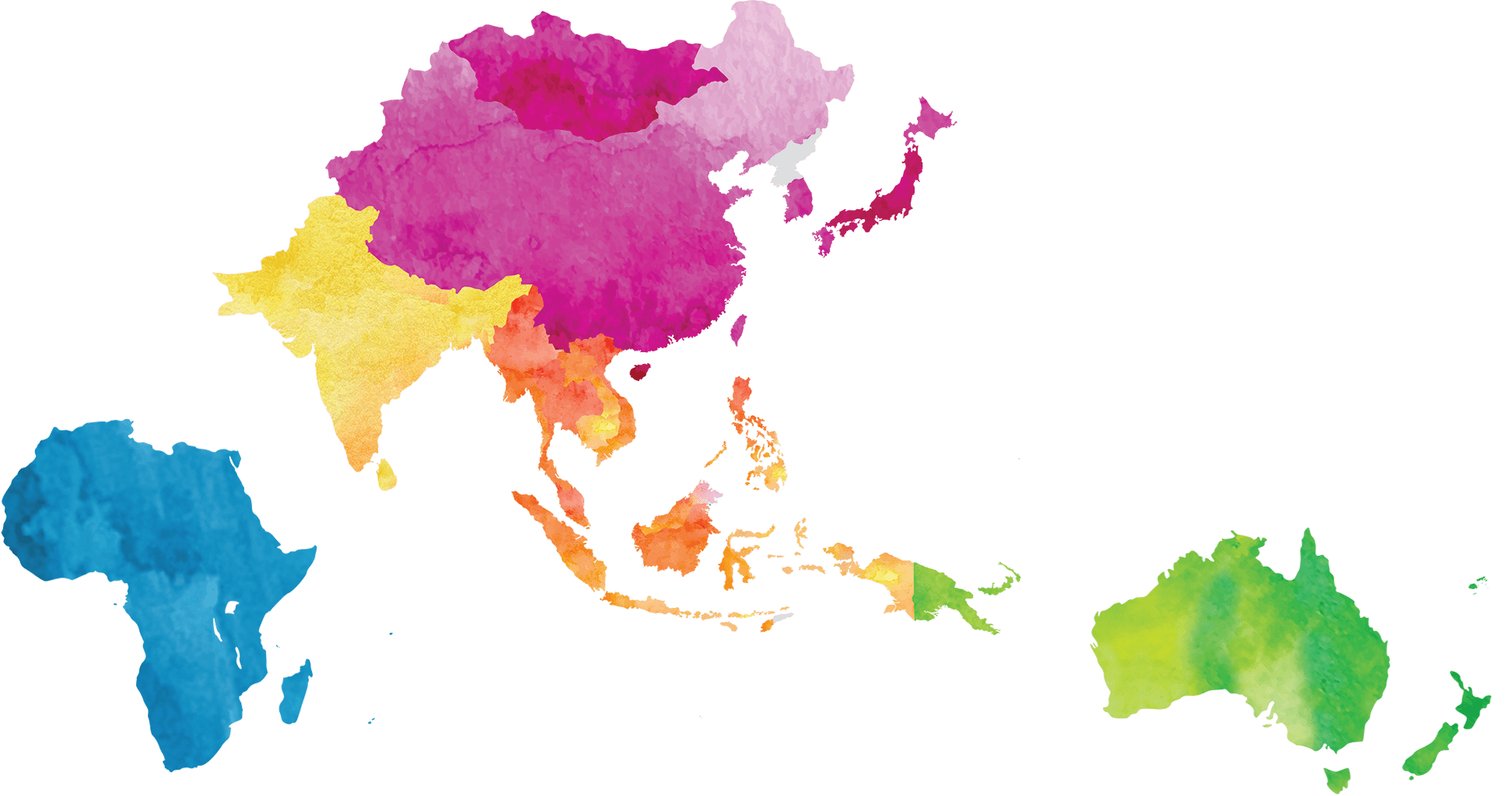
Head of Research, Murray Hiebert and Managing Director for Global Trade and Economics, Nydia Ngiow, prepared an update consolidating preliminary market signals across Asia-Pacific and Africa following the United States-Israel strikes on Iran.
Context
- United States and Israel strike on Iran and Iran’s efforts to disrupt shipping through the Strait of Hormuz are generating immediate energy and logistics risks. Potential constraints on oil and liquefied natural gas (LNG) flows, higher war-risk insurance premiums, route diversions and longer lead times are already feeding into pricing and scheduling across key trade lanes.
- Governments across the Indo-Pacific and Africa have urged restraint, activated consular protections and readied economic cushions. Indonesia offered to facilitate dialogue, Malaysia condemned the strikes, and Singapore, Thailand and the Philippines prepared evacuations. Japan emphasized prioritizing diplomatic efforts to stabilize the Middle East, Korea announced large-scale corporate support programs and Taiwan activated emergency protocols with diversified energy sources. India, Bangladesh and Nepal prioritized diaspora safety, energy planning and macro stability, while Kenya, Nigeria and South Africa prepared for inflation increases and logistics exposure.
Significance
- Energy security and inflation control have moved to the center of near-term policy agendas. Elevated crude and LNG prices, rising insurance and freight costs and pressures on refinery inputs threaten growth and complicate monetary policies. Governments are considering strategic reserve options, targeted subsidies and accelerated diversification to cushion households and maintain economic stability.
- Political positioning and social dynamics are shaping operating conditions in key markets. Non-aligned governments are navigating credibility pressures, debates over relations with the United States are intensifying in some countries and localized security sensitivities are emerging where public sentiment risks are present. Markets with trade links to the Gulf and Iran are exercising greater caution in government and corporate interactions to manage political sensitivities.
Implications
- Companies can expect higher operating and transport costs, potential delays in air and sea shipments and increased currency volatility. Firms should prepare for rising fuel and logistics expenses, review supply chain continuity plans and ensure they have adequate financial buffers to manage short-term disruptions.
- Businesses should track decisive signposts to calibrate exposure and timing. This includes tracking security conditions in the Strait of Hormuz, movements in crude oil and LNG prices and airline and shipping advisories. They also monitor central bank actions and any adjustments to strategic reserves, as well as shifts in diplomatic or military posture that may elevate regional risk.
We will continue to keep you updated on developments across the Indo‑Pacific and Africa as they occur. If you have any comments or questions, please contact BGA Head of Research Murray Hiebert at mhiebert@bowergroupasia.com or Managing Director for Global Trade and Economics at nngiow@bowergroupasia.com.
Best regards,
BGA Indo‑Pacific Team

×