

















Australian Government Outlines Gas Reserve Plan
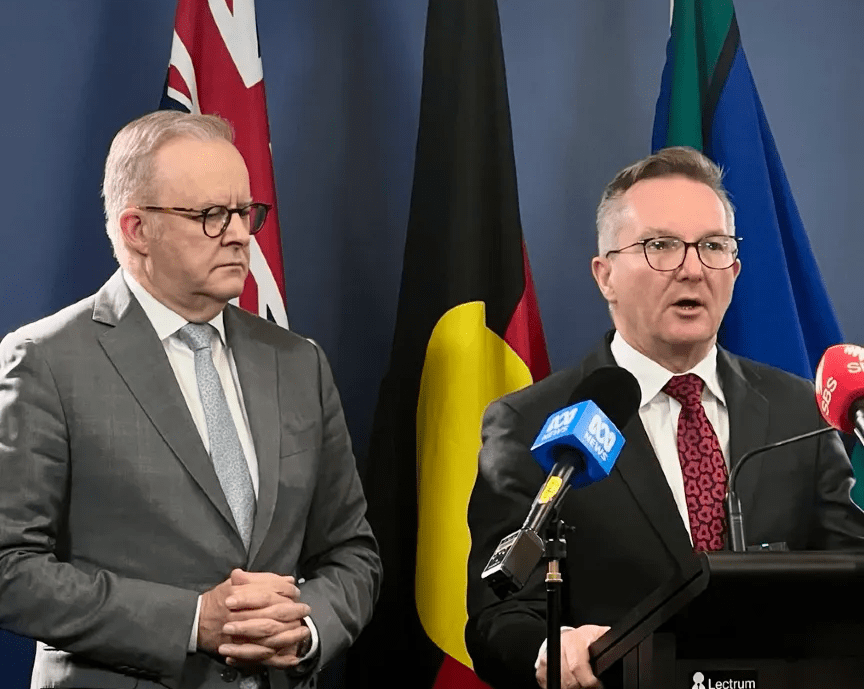
The BGA Australia Team, led by BGA Australia Managing Director Michael “Mick” McNeill, prepared an update for clients on the recently proposed domestic gas reservation scheme by the Australian government.
Context
- The Australian government announced details of a proposed domestic gas reservation scheme on May 7, requiring east coast LNG exporters to reserve 20 percent of future gas production for domestic supply. The scheme will commence on July 1, 2027, while export contracts signed before December 22, 2025 will be honored. The policy responds to repeated warnings of domestic gas shortfalls and rising prices despite Australia’s position as one of the world’s largest LNG exporters.
- Officials have emphasized gas as critical to bridging the transition from coal to renewable energy while managing affordability pressures. The Australian Competition and Consumer Commission has warned that east coast gas supply could fall short of demand from 2028 despite sufficient reserves. The government argues the scheme will deliver a modest oversupply and place downward pressure on prices as overall domestic gas use declines.
Significance
- The scheme represents a structural shift in Australia’s domestic gas market policy with implications for investment and trade relationships. The government will require exporters to demonstrate adequate domestic supply before accessing international spot markets, marking a more interventionist approach. Industry groups warn this could deter upstream investment and complicate export strategies, particularly as Australia relies on LNG trade to secure refined fuel imports from regional partners.
- The policy intersects with Australia’s international energy commitments and climate objectives. Key LNG buyers including Japan, China, Korea and Taiwan will closely watch implementation, particularly given recent Australia‑Japan energy security commitments. At the same time, the scheme must operate alongside emissions‑reduction targets and the Safeguard Mechanism, which is set for review in 2026-2027.
Implications
- LNG exporters and gas producers should prepare for increased regulatory oversight and supply obligations in the east coast market. Legislative changes and further consultations will shape final design details, creating near‑term uncertainty for project planning. Companies may need to reassess production profiles, domestic contracting strategies and capital allocation decisions.
- Energy‑intensive industries may benefit from improved domestic gas availability but face ongoing policy complexity. The scheme supports the government’s Future Made in Australia agenda by seeking to reduce input costs for manufacturers. However, interaction with emissions controls and potential expansion of the Safeguard Mechanism could increase compliance costs for large industrial users.
If you have any questions or comments, please reach out to BGA Australia Managing Director Michael “Mick” McNeill at mmcneill@bowergroupasia.com.
Best regards,
BGA Australia Team

×