




















Australian Budget Targets Innovation and Intergenerational Equity
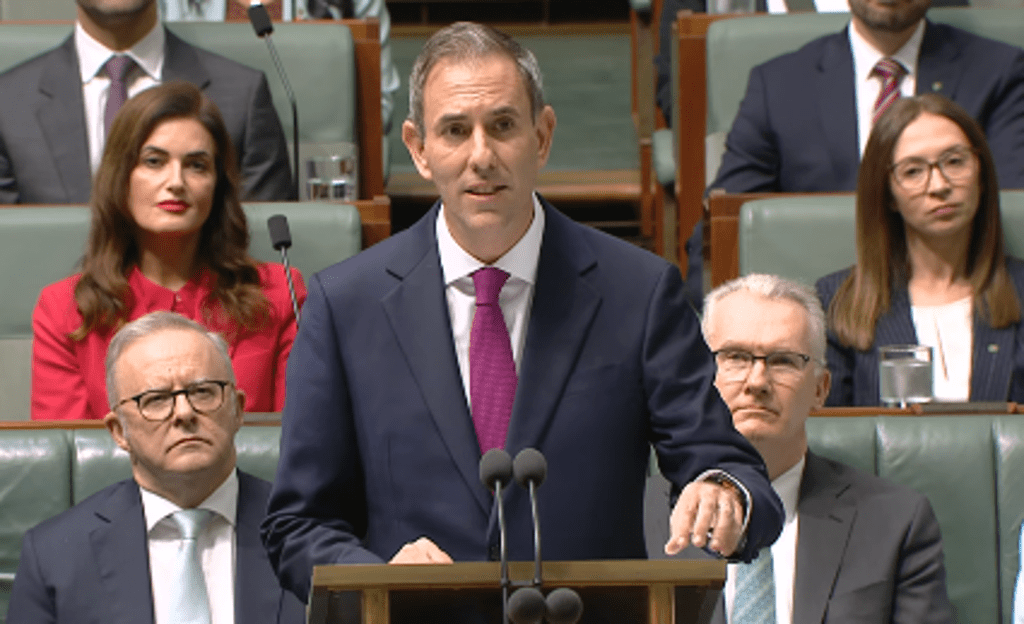
The BGA Australia Team, led by Managing Director Michael “Mick” McNeill, prepared an update for clients on Australian government’s new budget.
Context
- The Albanese government’s fifth budget, delivered by Treasurer Jim Chalmers, is framed as reform‑focused but adopts a moderate approach to fiscal repair. The budget is light on structural reforms sought by corporate Australia and emphasizes intergenerational equity, particularly through proposed changes to capital gains tax aimed at supporting first‑home buyers. These changes carry political risk given the centrality of housing to middle‑class wealth and prior commitments by Prime Minister Albanese to avoid such reforms before the 2025 election.
- The budget was shaped by the August 2025 Economic Reform Roundtable and ongoing global volatility. The government reiterated commitments to tax reform, National Disability Insurance Scheme (NDIS) sustainability, an AI strategy and emissions reduction, while acknowledging pressures stemming from the Iran war and global energy markets. Macroeconomic forecasts anticipate near‑term inflationary pressures, slowing growth and stabilization over the medium term.
Significance
- The budget underscores the government’s preference for interventionist economic policy over market‑led reform. While the government highlights a “productivity package” that expands venture capital incentives, lifts R&D tax offsets by around 25-50 percent and abolishes 497 nuisance tariffs, critics argue these measures are offset by higher taxation and increased reliance on subsidies. This approach reflects Prime Minister Albanese’s ideological orientation and his view of housing affordability as central to social cohesion.
- The proposed Capital Gains Tax (CGT) and negative gearing reforms mark a consequential shift in Australia’s investment framework. Replacing the 50 percent CGT discount with an inflation‑indexed model and limiting negative gearing to new builds would affect housing, equities, small businesses and farms. Critics warn the changes could elevate Australia’s effective CGT rates globally and dampen investment incentives, reviving political sensitivities from the failed 2019 reform push.
Implications
- Investors should prepare for increased policy activism and a more complex operating environment. The government has identified AUD 64 billion in savings and reprioritizations over four years, including AUD 37.8 billion in NDIS cuts, to fund priorities such as AUKUS defense spending and energy security. At the same time, uncertainty around CGT reform, emissions policy and regulatory intervention may weigh on long‑term investment decisions.
- Economic risks could intensify if macroeconomic assumptions fail to hold. The budget forecasts headline inflation at 5 percent in the June quarter of 2026, GDP growth slowing from 2.3 percent in 2025-26 to 1.8 percent in 2026-27 and unemployment stabilizing at around 4.5 percent. Continued energy price volatility linked to the Iran war or a sharper slowdown could expose the government to criticism that its fiscal strategy prioritizes redistribution over sustainable growth.
If you have any questions or comments, please reach out to BGA Australia Managing Director Michael “Mick” McNeill at mmcneill@bowergroupasia.com.
Best regards,
The Australia Team

×