



















Australia Looks to Private Capital in Defense Spending Lift
BGA Australia Managing Director Michael “Mick” McNeill prepared an update for the clients on Australia’s defense spending strategy following the release of the 2026 National Defense Strategy (NDS).
Context
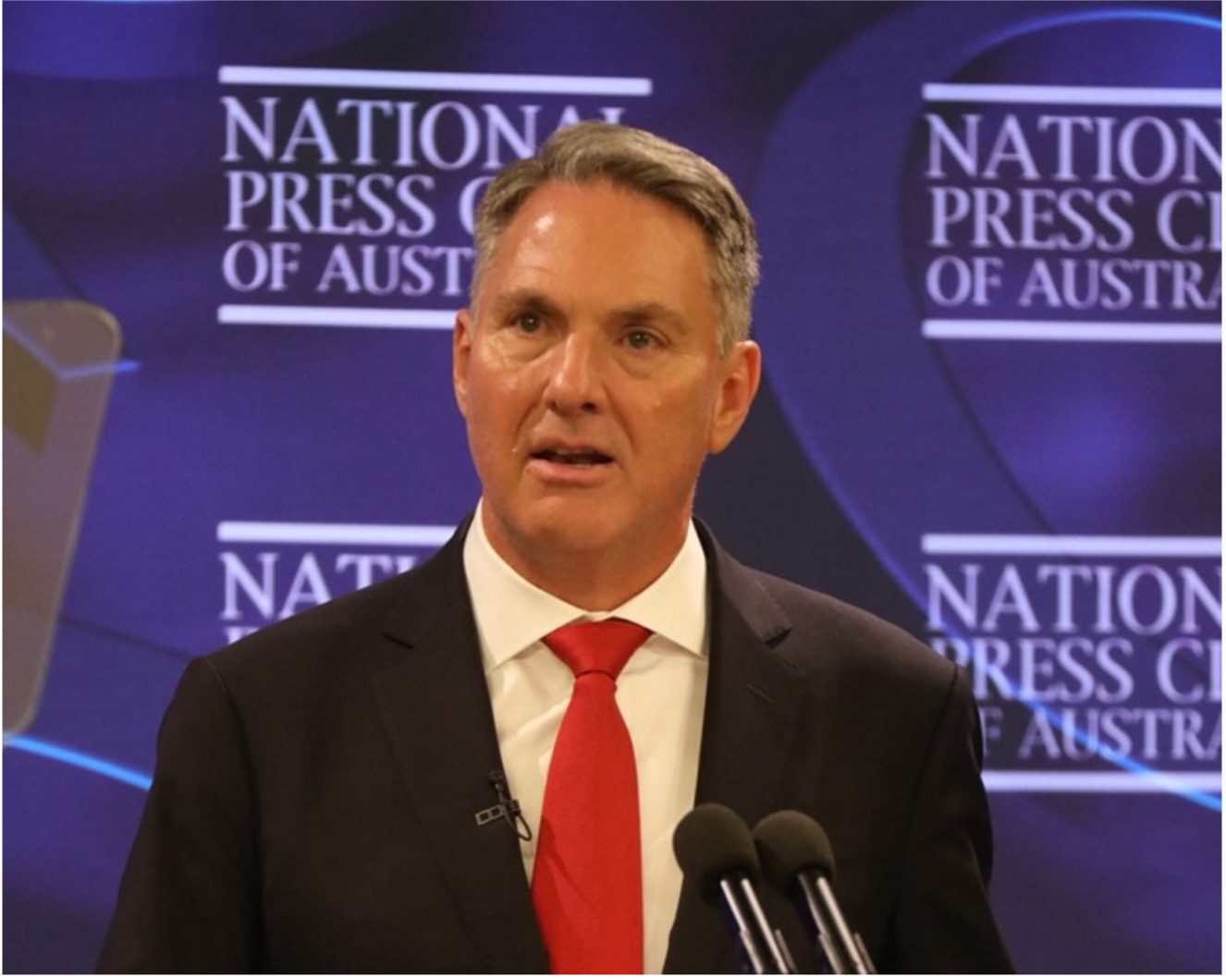
- Australia released its 2026 National Defense Strategy (NDS) on April 16, alongside an updated Integrated Investment Program. The strategy, introduced by Defense Minister Richard Marles, builds on the 2024 framework and emphasizes accelerating defense capability. The government aims to achieve this through bigger defense appropriations and accessing private capital.
- The update comes amid growing external pressure and shifting geopolitical conditions. The United States has pushed Australia to increase defense spending, particularly given concerns that the Australia-United Kingdom-United States (AUKUS) submarine program may constrain funding for other priorities. At the same time, global instability, including disruptions to energy supply chains, has reinforced the urgency of strengthening defense readiness.
Significance
- The NDS signals a shift toward greater self-reliance while maintaining the centrality of the U.S. alliance. Australia is positioning itself alongside other middle powers that are assuming more responsibility for their own security. This is occurring even as strategic competition, particularly China’s growing military capabilities, continues to shape Indo-Pacific security dynamics.
- The strategy places increased emphasis on autonomous and asymmetric capabilities, though gaps remain. The government is spending AUD 12-15 billion ($8.6-$10.8 billion) over the next decade, an extra AUD 2-5 billion compared to NDS 2024. Expanded funding for autonomous systems reflects lessons from recent war in Ukraine, where lower-cost technologies such as drones have proven highly effective. However, concerns persist that investment remains too focused on large platforms rather than rapidly deployable, lower-cost systems.
Implications
- Investors can expect expanded opportunities as the government turns to “alternative financing” models for defense projects. Approximately AUD 15 billion in projects have been identified for delivery through mechanisms such as private and equity-based financing. This includes projects in the consolidation of the Henderson Defense Precinct and the development of the Guided Weapons and Explosive Ordnance enterprise. This creates a near-term pipeline in areas including defense infrastructure and advanced weapons manufacturing.
- Companies are likely to benefit from increased demand across priority capability areas. Accelerated investment in air and missile defense systems, as well as autonomous technologies, will drive procurement activity in the coming years. NDS 2026 also commits to establishing pathways for industry and equity firms to participate in the AUKUS trilateral security partnership.
We will continue to keep you updated on developments in Australia as they occur. If you have any questions or comments, please reach out to BGA Australia Managing Director Michael “Mick” McNeill at mmcneill@bowergroupasia.com.
Best regards,
BGA Australia Team

×