
















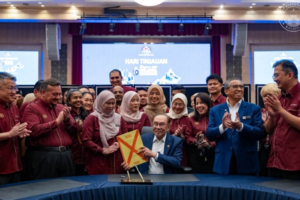



Cambodia Hands Foreign Investors ‘FDI-Level’ Tax Playbook in New MSME Strategy
BGA Cambodia Senior Analyst Chittra Somrang Chapho wrote an update on Cambodia’s National Strategy for MSME Development 2026-2030.
Context
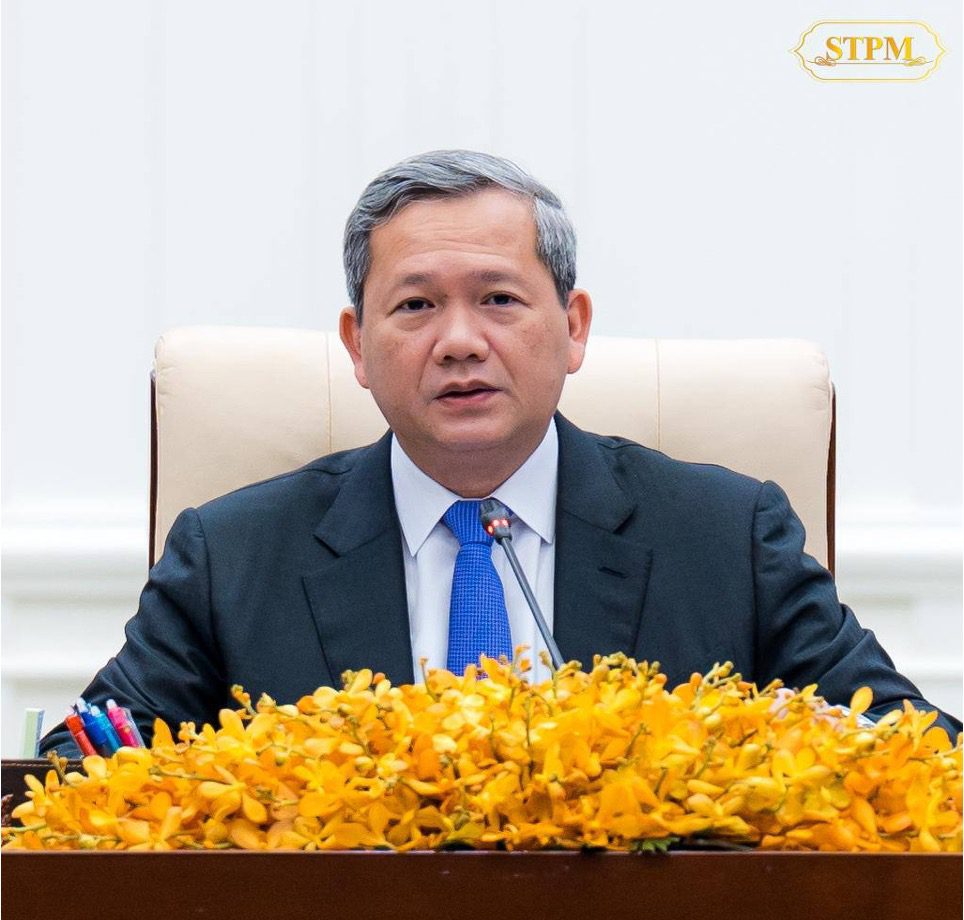
- Cambodia has officially launched its National Strategy for MSME Development 2026-2030, signed into effect by Prime Minister Hun Manet July 10, 2026. The comprehensive framework aims to transform the country’s MSME sector — which accounts for over 70 percent of employment and 99 percent of all enterprises — into a competitive and resilient force as Cambodia prepares to graduate from least developed country status by 2029.
- Structured around one vision, three core objectives, four strategic pillars and 12 key measures, the strategy provides holistic support across the full business life cycle. A major priority is bureaucratic overhaul: the government is piloting a six-day registration timeline for manufacturers and establishing a “true one-stop service” system to eliminate cross-ministerial delays. Critically, two pending sub-decrees will extend tax and investment incentives comparable to those for FDI projects to qualifying MSMEs, leveling the playing field between local and foreign-invested enterprises.
Significance
- The strategy signals a significant shift in Cambodia’s investment landscape, creating new opportunities — and due diligence imperatives — for foreign capital:
- New Partnership and Competition Dynamics: With government support enhancing local SME productivity and quality, foreign investors should anticipate more capable local partners and stronger competition in the domestic market. This opens doors for SME-to-SME partnerships, technology transfer and joint ventures, particularly in the manufacturing, agri-processing and green energy sectors.
- Regulatory Simplification and Digital Transparency: The promised one-stop service and the prime minister’s personal oversight of a high-level working group mean faster, more predictable approvals for all businesses. A real-time mobile app to track application progress will reduce corruption risks and increase transparency — key factors for risk-averse institutional investors.
- Tax Parity and Incentive Access: The upcoming sub-decrees will allow qualifying MSMEs — including foreign-invested ones meeting local content or employment criteria — to access tax holidays, duty exemptions and accelerated depreciation previously reserved for large FDI projects. Investors should closely monitor the final classification criteria to structure their entry accordingly.
- Stricter Enforcement on Compliance: The government is pairing incentives with intensified oversight on illegal imports and tax evasion to protect local industries. Foreign investors must ensure rigorous compliance with tax, customs and labor regulations, as enforcement is expected to sharpen significantly over the strategy’s five-year horizon.
- Infrastructure and Skills Considerations: While the reforms are a sign of progress, investors should factor in Cambodia’s higher electricity costs and ongoing workforce skills development needs when assessing operational viability. Early movers who invest in local training and energy-efficient technologies will gain a competitive edge under the new framework.
Implications
- Cambodia’s development framework and investment incentives designate several strategic sectors for MSME growth, tax exemptions and investment support.
MSME Investment and Tax Incentive Priority Sectors
- Agro-Industry and Food Processing: Processing of local agricultural produce, livestock feeds and food and beverage production targeting domestic and export markets.
- Component and Supporting Industries: Production of spare parts, machinery, packaging and raw material inputs integrated into regional and global supply chains.
- Information Technology and R&D: Digital industry initiatives, software development, technology innovation hubs and research and development projects.
- Local Manufacturing and Import Substitution: Manufacturing using domestic raw materials, construction materials and consumer goods.
- Tourism and Hospitality: Eco-tourism, cultural tourism sites, accommodation services and regional tourism infrastructure.
- SME Cluster and Innovation Zone Development: Infrastructure development for industrial parks, handicraft centers and technology incubators.
Informal Economy Formalization Priority Sectors
- Agricultural Communities: Local farming cooperatives, primary producers and agricultural supply operations.
- Handicrafts and Artisanal Goods: Traditional Khmer craft manufacturing, home-based production and cultural creative industries.
- Accommodation and Food Services: Small-scale hospitality, micro-eateries and local food service vendors.
- Wholesale, Retail and Repair Services: Local trade operations, maintenance providers, and vehicle and equipment repair enterprises.
We will continue to keep you updated on developments in Cambodia as they occur. If you have any comments or questions, please contact BGA Cambodia Senior Analyst Chittra Somrang Chapho at cchapho@bowergroupasia.com.
Best regards,
BGA Cambodia Team

×