




















India’s SEMICON 2.0 Operational Guidelines Chart Full-Stack Future
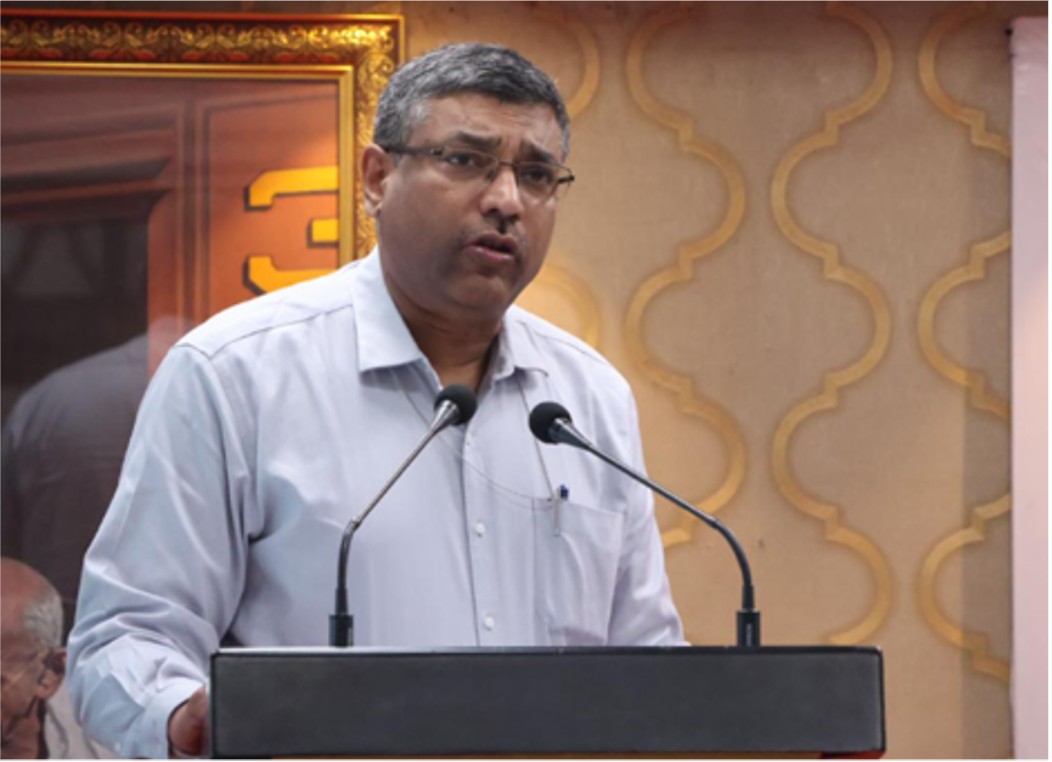
The BGA India team, led by Managing Director Anuj Gupta, wrote an update for clients on the recently released guidelines for SEMICON 2.0 program.
Context
- India released the operational guidelines for its $13.3 billion SEMICON 2.0 program August 31, providing the implementation framework for the next phase of its semiconductor strategy. Building on the India Semiconductor Mission (ISM) 1.0, the policy seeks to transform India from primarily an assembly and testing location into a fully integrated semiconductor ecosystem. The program spans six pillars and 10 categories covering design, materials, fabrication, packaging — assembly, testing, marking and packaging (ATMP) and outsourced semiconductor assembly and testing (OSAT) — research and development and talent development.
- The framework introduces differentiated incentives, investment thresholds and participation models across the semiconductor value chain. While areas such as fabrication, packaging, equipment manufacturing and R&D allow direct participation by foreign companies, design-related activities contain localization requirements, including restrictions on IP and design-file residency. Applications will remain open for three years through the ISM portal, with projects eligible for support over implementation periods of up to six years.
Significance
- SEMICON 2.0 represents a significant policy expansion from manufacturing support toward ecosystem development. Rather than focusing primarily on fabs, the scheme targets the entire value chain, including equipment, materials, advanced packaging, R&D and workforce development. Support levels range from 25-40 percent capital expenditure incentives for manufacturing activities to as much as 75 percent funding support for semiconductor R&D and talent development initiatives.
- The guidelines provide greater certainty for investors while reaffirming India’s long-term commitment to semiconductor self-reliance. Silicon wafer fabs can qualify for 40 percent capital support on investments exceeding $2.1 billion, while advanced packaging projects can access 35 percent support on investments above $104.2 million. The policy also reinforces related priorities such as critical minerals, advanced manufacturing and technology localization, positioning semiconductors as a strategic pillar of India’s industrial policy.
Implications
- Companies across semiconductors, electronics, advanced manufacturing and related supply chains should reassess investment opportunities under the new framework. Equipment manufacturers, materials suppliers, ATMP/OSAT operators, display manufacturers and R&D centers now have clearer pathways to access government support, including categories where foreign firms may apply directly. The combination of capital subsidies, production-linked incentives and R&D funding can materially alter project economics and investment decisions.
- Investors should focus on implementation capacity, follow-on regulations and state-level execution. Several categories, particularly R&D and talent development, still require additional eligibility and operational guidelines before the full support structure becomes clear. While SEMICON 2.0 demonstrates strong policy continuity and ambition, the success of the program will ultimately depend on the government’s ability to execute across a highly complex value chain while attracting global technology, capital and talent partners.
If you have questions or comments, please contact BGA India Managing Director Anuj Gupta at agupta@bowergroupasia.com.
Best regards,
BGA India Team

×