
















National Day Rally 2026: A Trust-Anchored Singapore
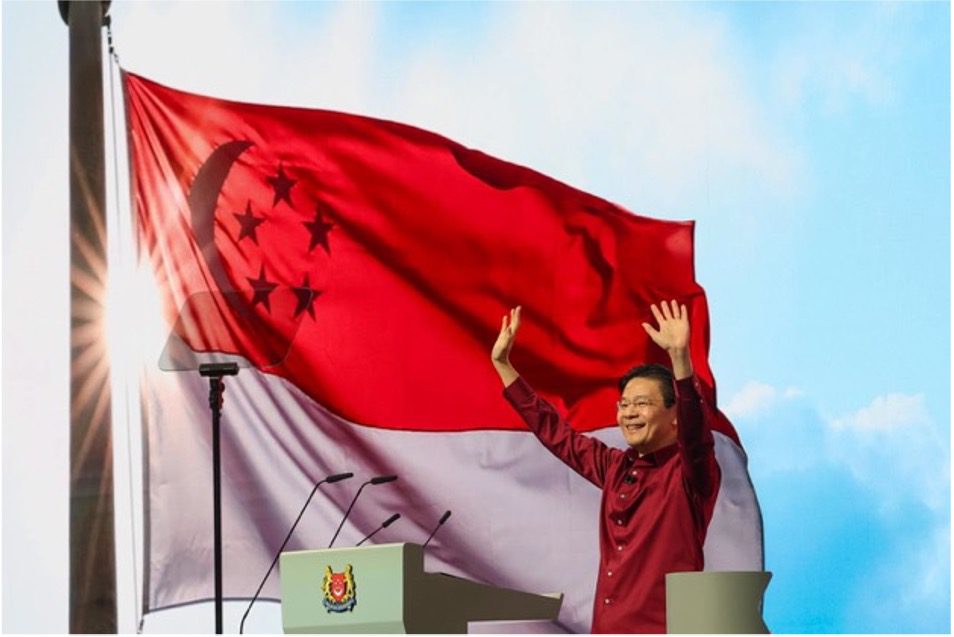
The BGA Singapore team, led by Nydia Ngiow, wrote a client update on this year’s National Day Rally.
Context:
- Prime Minister Lawrence Wong’s National Day Rally on August 23, themed “A Changed World, A Stronger Singapore,” marked a shift from the economy-focused 2025 address toward domestic and social priorities. Geopolitical risks, including U.S.-China competition, the Iran war and global trade tensions, were used primarily to frame the importance of trust in institutions, international rules and social cohesion. The rally also positioned trust as a foundation for Singapore’s upcoming ASEAN chairmanship in 2027 and its broader regional engagement.
- A central focus of the rally was Singapore’s demographic challenge, with the fertility rate falling to a record low of 0.87. Wong announced a series of measures developed through the Marriage and Parenthood Reset Workgroup, including expanded childcare leave, enhanced baby bonuses, more affordable preschool education and broader housing eligibility for young families. These initiatives are intended to address both the economic and social barriers to marriage and parenthood while reinforcing public confidence in government support systems.
Significance:
- The rally signals that demographic sustainability has become one of Singapore’s most important long-term policy priorities. The government committed up to nearly SGD 70,000 (US$55,000) of support per child, increased childcare leave from six days to between eight and twelve days depending on family size and pledged to reduce childcare costs to SGD 150 per month for preschool and SGD 300 for infant care. These measures reflect growing concern that persistently low fertility could affect economic growth, workforce availability and social cohesion.
- Trust emerged as the organizing principle linking domestic, economic and geopolitical policy. Wong emphasized protecting Singapore’s reputation as a trusted global hub, including stricter attention to trade compliance and transshipment risks amid heightened U.S. scrutiny of Chinese goods moving through Southeast Asia. The same framework also informed discussions on AI adoption, social media accountability, immigration and ASEAN leadership, with the government seeking to balance openness with stronger safeguards and social stability.
Implications:
- Companies should prepare for new workforce and family-related policy expectations that could affect employment practices and operating costs. The government will fully cover statutory childcare leave costs, while continued emphasis on parenthood and family formation is likely to be reflected in future Budget 2027 measures. Employers should also expect increased attention on flexible work arrangements, childcare support and broader family-friendly workplace policies.
- Businesses in technology, logistics, energy and infrastructure should monitor evolving policy priorities linked to trust, compliance and national resilience. Companies with supply chains routed through Singapore should ensure robust origin documentation as transshipment scrutiny intensifies, while social media platforms may face stronger youth-protection requirements if existing safeguards are deemed insufficient. Longer term plans for a new industrial and energy island, continued AI deployment and skills development initiatives point to emerging opportunities across infrastructure, engineering, digital technology and workforce transformation.
These announcements are likely to be further discussed at the next parliamentary session in September. If you have questions or comments, please contact Managing Director Nydia Ngiow at nngiow@bowergroupasia.com.
Best regards,
BGA Singapore Team

×